
Red Arrow
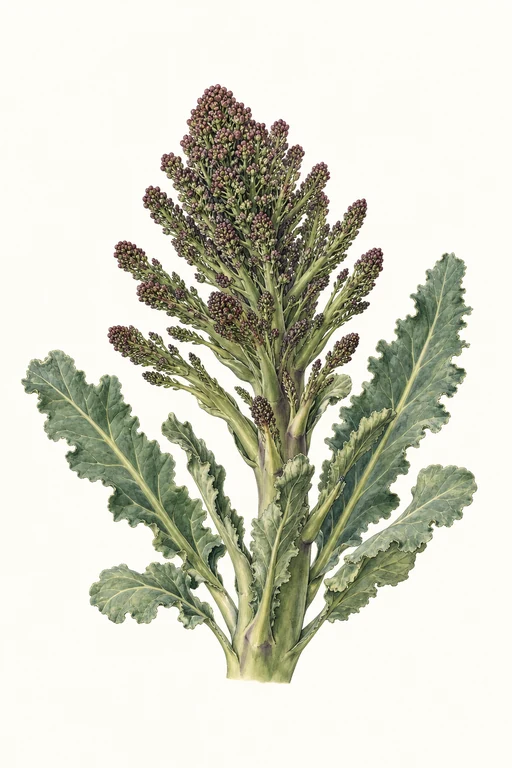
Tender, sky-bright sprouting florets arrive in a steady cascade—cool-season sweetness with a crisp, succulent bite and a delicately nutty edge.
Red Arrow’s compact heads hold their color beautifully, then continue producing flavorful side shoots for weeks, making it a joy to harvest repeatedly. Ideal for fresh sprout-forward salads, quick sauté-style skillet work, and vibrant steaming or stir-fries, with florets that stay pleasantly firm and never turn mushy.
Light: Full SunMaturity: 70 DaysHabit: Rosette
Planting schedules and alerts are optimized for Columbus (Zone 6b).
Crop Dates
| Milestone | Date |
|---|---|
| Start Indoors | Mar 28th |
| Last Frost | Apr 25th |
| Transplant / Sow Outdoors | Apr 18th |
| Harvest Begins | Jun 27th |
| Harvest Ends | Oct 16th |
Crop Details
| Trait | Value |
|---|---|
| Days to Maturity | 70 |
| Sun Requirements | Full Sun |
| Growth Habit | Rosette |
| Support Needed | None |
| Planting Depth | Normal |
| Germination Temp (°F) | 40 |
| Min Soil Temp (°F) | 45 |
| Min Night Temp (°F) | 30 |
| Harden Off (days) | 6 |
Culinary Notes

Chef's Note
Red Arrow is built for maximum crunch: those sprouting florets stay pleasantly firm under fast heat, so you get sweetness with a nutty, slightly peppery snap instead of mush. Use it in hot, short cook methods or fresh sprout-led salads—if you overcook, the whole party ends.

Best Uses
- quick-steam then toss with butter and lemon zest to keep florets firm
- stir-fry or hot-skillet sauté for sprout-forward bites that don’t slump
- sprout-forward salads where crunch must survive a vinaigrette
- broccoli florets in a glossy cheese sauce where the stem stays pleasantly snappy

Flavor Profile

Frequently Asked Questions
What pest or disease most commonly affects Brassica oleracea var. italica (Purple Sprouting) and what should I do?
How often should I water Brassica oleracea var. italica during the main growing phase?
How can I tell when my Purple Sprouting (Brassica oleracea var. italica) is ready to harvest?
Sowing Tips

Transplant Conditions
Wait until soil reaches 45°F and nights stay above 30°F before moving outdoors. Harden off for 6 days first.
Expert Note

For the longest spears and best color, keep transplants consistently cool and harvest spears early (don’t let them flower).