
Red Jewel
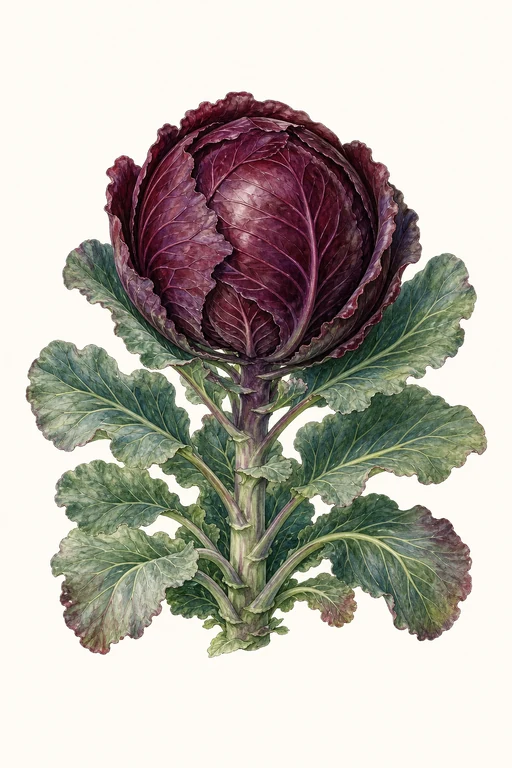
Velvety, jewel-toned heads of Red Jewel arrive with a rich, wine-red glow and a crisp, fine-grained bite that feels almost satin-smooth to the palate.
The color deepens beautifully as the season advances, making this cabbage a standout for bold salads and vibrant slaws, as well as slow-roasted wedges and tangy fermented favorites. Grow it for dependable 75-day maturity and a head that holds its beauty from garden to table.
Light: Full SunMaturity: 75 DaysHabit: Rosette
Planting schedules and alerts are optimized for Columbus (Zone 6b).
Crop Dates
| Milestone | Date |
|---|---|
| Start Indoors | Mar 28th |
| Last Frost | Apr 25th |
| Transplant / Sow Outdoors | Apr 25th |
| Harvest Begins | Jul 9th |
| Harvest Ends | Oct 16th |
Crop Details
| Trait | Value |
|---|---|
| Days to Maturity | 75 |
| Sun Requirements | Full Sun |
| Growth Habit | Rosette |
| Support Needed | None |
| Planting Depth | Normal |
| Germination Temp (°F) | 75 |
| Min Soil Temp (°F) | 45 |
| Min Night Temp (°F) | 32 |
| Harden Off (days) | 6 |
Culinary Notes

Chef's Note
Red Jewel’s crisp, fine-grained texture makes it ideal for slaw and quick ferments—its tang stays lively rather than turning starchy. When roasted or braised, it softens gracefully around the edges, holding onto that peppery snap that keeps each bite from feeling heavy.

Best Uses
- shredded slaw with an assertive vinegar dressing that clings to the fine bite
- cold salads where the jewel color stays vivid (no watered-down wilting)
- slow-roasted cabbage wedges to caramelize the edges while keeping the core pleasantly firm
- quick-pickling or fermentation for tangy crunch

Flavor Profile

Frequently Asked Questions
What pest or disease most often affects Brassica oleracea var. capitata (head cabbage) and how can I control it at home?
How often should I water head cabbage (Brassica oleracea var. capitata) during the main growing phase?
How can I tell when Red Jewel head cabbage is ready to harvest?
Sowing Tips

Transplant Conditions
Wait until soil reaches 45°F and nights stay above 32°F before moving outdoors. Harden off for 6 days first.
Expert Note

Start indoors in cool conditions for tight heads, then transplant just before the weather warms to keep growth steady and prevent loose heads.