
Red Stripe Leaf
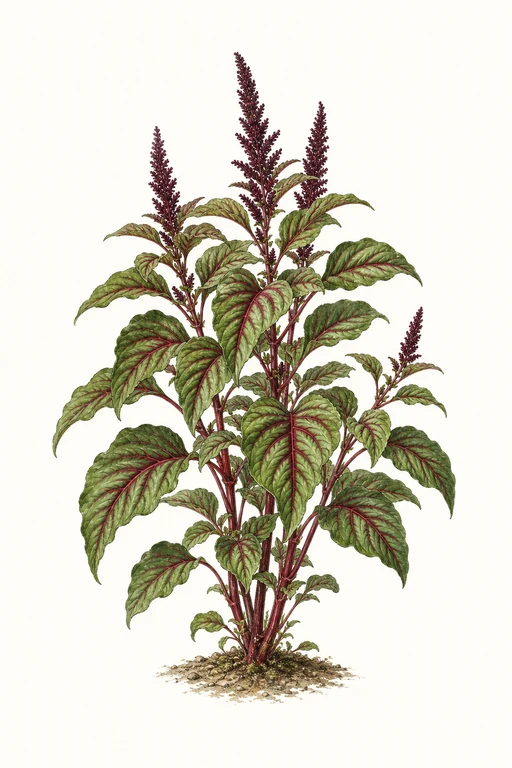
Velvety leaves unfurl in a rich, jewel-toned green veined with vivid red stripes, catching the light like satin.
Tender at about 50 days, Red Stripe Leaf offers a pleasantly mild, gently sweet flavor with a succulent, leafy texture that stays lush through harvest. Grow it for fresh, vibrant greens and for bold color in sautés, steamed dishes, and quick stir-ins, or stir into soups and sauces for a striking natural hue.
Light: Full SunMaturity: 50 DaysHabit: Upright
Planting schedules and alerts are optimized for Columbus (Zone 6b).
Crop Dates
| Milestone | Date |
|---|---|
| Start Indoors | Direct Sow |
| Last Frost | Apr 25th |
| Transplant / Sow Outdoors | Apr 25th |
| Harvest Begins | Jun 14th |
| Harvest Ends | Oct 16th |
Crop Details
| Trait | Value |
|---|---|
| Days to Maturity | 50 |
| Sun Requirements | Full Sun |
| Growth Habit | Upright |
| Support Needed | None |
| Planting Depth | Normal |
| Germination Temp (°F) | 70 |
| Min Soil Temp (°F) | 60 |
| Min Night Temp (°F) | 45 |
| Harden Off (days) | Not Required |
Culinary Notes

Chef's Note
These tender amaranth leaves cook down fast and stay plush, not stringy—ideal when you want greens that keep their bite. The red-veined color and mild sweetness love bright fat (olive oil or butter) and acid, so finish with lemon before serving.

Best Uses
- quick sauté or stir-fry where the leaves stay tender and glossy
- steamed greens with a quick lemon-butter finish
- stir-ins into soups and broths for a jeweled green-red tint
- folding into silky purées or sauce reductions for color and body

Flavor Profile

Frequently Asked Questions
What pest or disease problem commonly affects Amaranthus cruentus (red stripe leaf), and how can I treat it?
How often should I water Amaranthus cruentus during the main growing phase?
How do I know when Amaranthus cruentus is ready to harvest?
Sowing Tips

Transplant Conditions
Wait until soil reaches 60°F and nights stay above 45°F before moving outdoors.
Expert Note

Ensure consistent moisture for the best leaf growth and flavor.