
Robin Hood
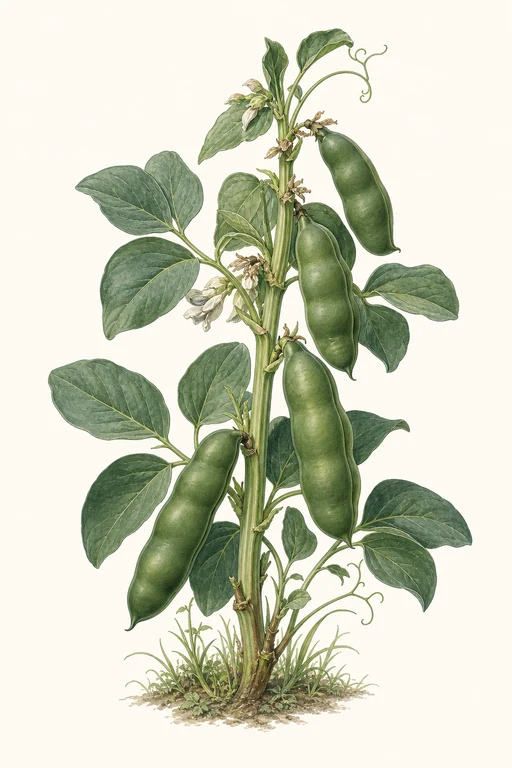
Sweet, meadow-green pods with a poised, velvety sheen arrive at harvest in a steady rhythm—Robin Hood broad beans are prized for their tender, buttery interiors and gentle, nutty sweetness.
The pods hold their shape with a satisfying firmness, while the beans inside develop a smooth, creamy texture that shines in classic broad-bean preparations. Grow Robin Hood for a long, rewarding season of lush foliage and beautifully filled pods that invite you to savor the first taste of spring.
Light: Full SunMaturity: 70 DaysHabit: Bush
Planting schedules and alerts are optimized for Columbus (Zone 6b).
Crop Dates
| Milestone | Date |
|---|---|
| Start Indoors | Direct Sow |
| Last Frost | Apr 25th |
| Transplant / Sow Outdoors | Apr 25th |
| Harvest Begins | Jul 4th |
| Harvest Ends | Oct 16th |
Crop Details
| Trait | Value |
|---|---|
| Days to Maturity | 70 |
| Sun Requirements | Full Sun |
| Growth Habit | Bush |
| Support Needed | None |
| Planting Depth | Normal |
| Germination Temp (°F) | 55 |
| Min Soil Temp (°F) | 40 |
| Min Night Temp (°F) | 28 |
| Harden Off (days) | Not Required |
Culinary Notes

Chef's Note
Robin Hood broad beans hit that sweet spot where the pods stay pleasantly firm and the inside turns smooth and buttery with minimal cooking. Use them hot—blanched, buttered, and brightened with lemon—so that gentle, nutty sweetness stays front and center rather than turning bean-dull.

Best Uses
- quick-blanch-and-pop with a brief squeeze of lemon to keep them sweet
- fold into a warm butter-and-herb pasta sauce so they stay creamy, not chalky
- toss into spring salads where they can stand up to vinaigrette without going mushy
- make a classic broad-bean purée for crostini—silky texture, easy spoonability

Flavor Profile

Frequently Asked Questions
What is a common pest or disease on Vicia faba (fava/Windsor bean) and how do I control it?
How often should I water Vicia faba during the main growing phase?
How can I tell when Vicia faba ‘Robin Hood’ is ready to harvest?
Sowing Tips

Transplant Conditions
Wait until soil reaches 40°F and nights stay above 28°F before moving outdoors.
Expert Note

Sow broad beans directly in cool weather as soon as the ground can be worked—keep soil evenly moist early for strong, even emergence.