
Roman Beauty
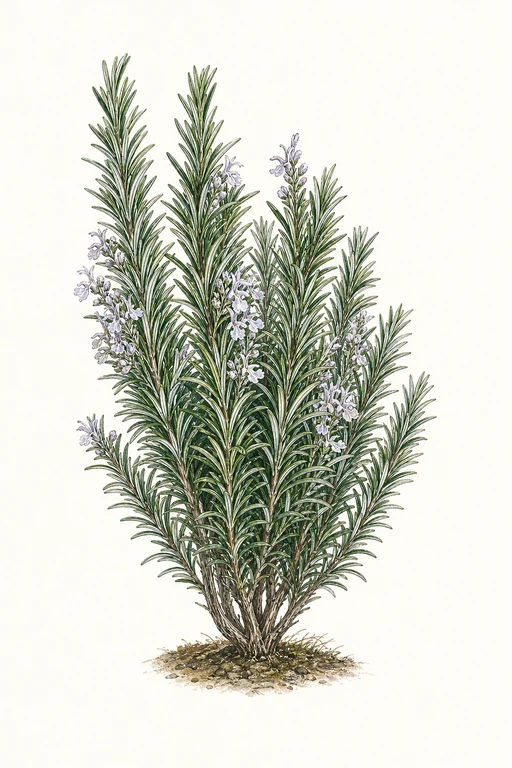
Aromatic sprays of Roman Beauty Rosemary unfurl with a silvery, pine-kissed fragrance that feels instantly Mediterranean—bright, resinous, and wonderfully lingering.
Needle-like leaves are deep green and notably resilient, holding their character through the season for bold, fragrant bouquets and aromatic infusions. Grow Roman Beauty for a dependable, garden-ready herb that shines in dried bundles and fragrant seasoning blends, with a signature pine-herb flavor that elevates every harvest.
Light: Full SunMaturity: 60 DaysHabit: Upright
Crop Dates : 1a
| Milestone | Date |
|---|---|
| Last Frost | Jun 15th |
| Growing Approach | Protected Environment Only |
Crop Details
| Trait | Value |
|---|---|
| Days to Maturity | 60 |
| Sun Requirements | Full Sun |
| Growth Habit | Upright |
| Support Needed | None |
| Planting Depth | Normal |
| Germination Temp (°F) | 70 |
| Min Soil Temp (°F) | 60 |
| Min Night Temp (°F) | 50 |
| Harden Off (days) | 10 |
Culinary Notes

Chef's Note
Roman Beauty’s pine-resin aroma stays sharp instead of fading, which is why it’s a workhorse for hot roasting where it perfumes fat and starch. Use it boldly—these needles hold up to heat, so you get fragrance and structure without turning bitter if you don’t over-steep.

Best Uses
- high-heat roasting for chicken, lamb, and potatoes—add early so the needles perfume the crust
- infusing oil or vinegar for a clean piney backbone
- grinding into rubs and dried blends for sausage, grilled vegetables, and focaccia
- steeping for concentrated stock and creamy sauces, then straining

Flavor Profile

Frequently Asked Questions
What pest or disease commonly affects Salvia rosmarinus (Roman Beauty), and how can I treat it?
How often should I water Salvia rosmarinus during the main growing phase?
How do I know when Roman Beauty (Salvia rosmarinus) is ready to harvest?
Sowing Tips

Transplant Conditions
Wait until soil reaches 60°F and nights stay above 50°F before moving outdoors. Harden off for 10 days first.
Expert Note

Start rosemary indoors for steadier establishment, then harden off fully and transplant only after warm nights to keep plants from stalling.