
Romano
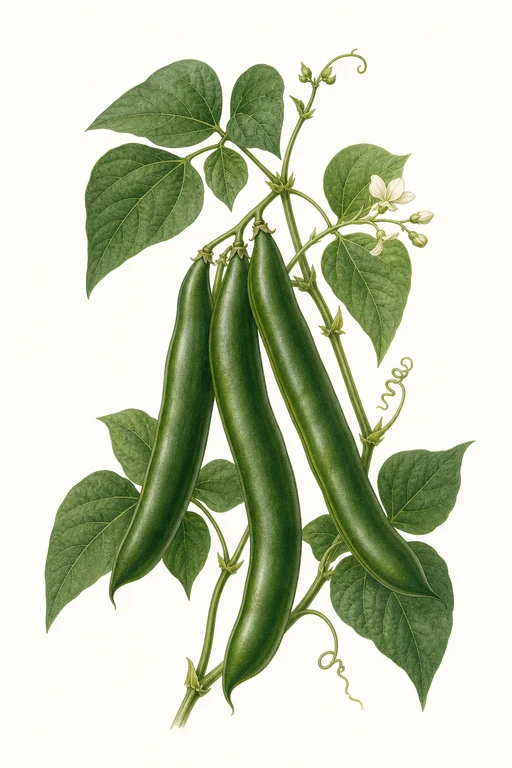
Sweet, crisp pods unfurl in a steady rhythm, their slender, deep green skins catching the light with a clean, velvety sheen.
Romano delivers a satisfyingly meaty bite and a mild, garden-fresh flavor that shines whether you enjoy them straight from the patch or let them become the star of your favorite pod-forward dishes. Harvest at peak tenderness for best texture—these beans reward attentive picking with a lush, continuous yield over the cool-season stretch.
Light: Full SunMaturity: 55 DaysHabit: Bush
Planting schedules and alerts are optimized for Columbus (Zone 6b).
Crop Dates
| Milestone | Date |
|---|---|
| Start Indoors | Direct Sow |
| Last Frost | Apr 25th |
| Transplant / Sow Outdoors | Apr 25th |
| Harvest Begins | Jun 19th |
| Harvest Ends | Oct 16th |
Crop Details
| Trait | Value |
|---|---|
| Days to Maturity | 55 |
| Sun Requirements | Full Sun |
| Growth Habit | Bush |
| Support Needed | None |
| Planting Depth | Normal |
| Germination Temp (°F) | 75 |
| Min Soil Temp (°F) | 60 |
| Min Night Temp (°F) | 50 |
| Harden Off (days) | Not Required |
Culinary Notes

Chef's Note
Romano’s slender pods are built for speed: quick heat keeps that meaty-crisp bite instead of turning them flat or fibrous. Bright lemon and butter/oil make the flavor feel even sweeter, while parmesan rides the mild, green edge without overwhelming it.

Best Uses
- quick sauté with garlic and olive oil for a glossy, not-soggy texture
- blanch-and-chill salad beans that hold crunch under vinaigrette
- stew pot add-in where the pods stay pleasantly fibrous-meaty
- roasting tossed with salt until edges caramelize lightly

Flavor Profile

Frequently Asked Questions
What pest or disease is most common on Romano (Phaseolus vulgaris) and how do I control it?
How often should I water Romano beans during the main growing phase (flowering to pod set)?
How can I tell when Romano (Phaseolus vulgaris) is ready to harvest?
Sowing Tips

Transplant Conditions
Wait until soil reaches 60°F and nights stay above 50°F before moving outdoors.
Expert Note

Sow when soil is warm (don’t rush)—beans germinate best in steady warmth and dislike root disturbance.