
Romulo
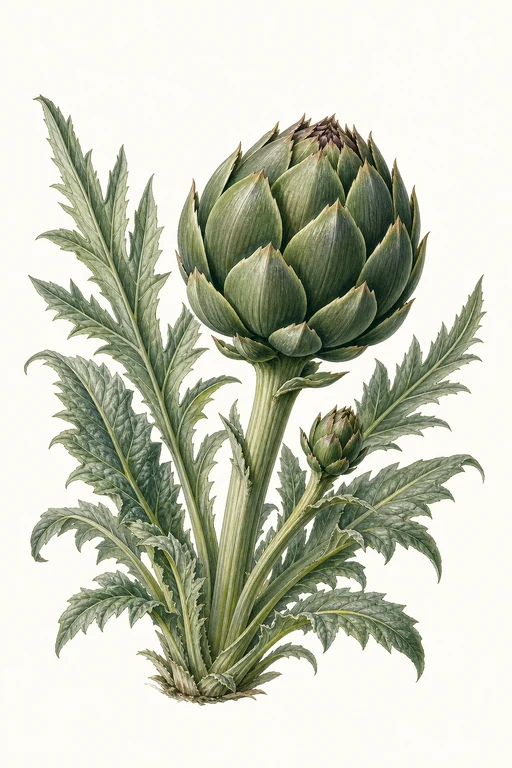
Fragrant, tightly scaled buds of Romulo unfold into a rich, nutty character with a tender, meaty heart and a crisp, succulent bite as the bracts mature.
The heads develop with an elegant, compact silhouette and a deep, savory green tone that promises standout presence in the garden and on the plate. Grow Romulo for showy flowering-bud harvests—ideal for roasting and grilling, or for preparing into silky sauces and hearty spreads when the bracts are at their prime.
Light: Full SunMaturity: 85 DaysHabit: Upright
Planting schedules and alerts are optimized for Columbus (Zone 6b).
Crop Dates
| Milestone | Date |
|---|---|
| Start Indoors | Direct Sow |
| Last Frost | Apr 25th |
| Transplant / Sow Outdoors | Apr 25th |
| Harvest Begins | Jul 19th |
| Harvest Ends | Oct 16th |
Crop Details
| Trait | Value |
|---|---|
| Days to Maturity | 85 |
| Sun Requirements | Full Sun |
| Growth Habit | Upright |
| Support Needed | None |
| Planting Depth | Normal |
| Germination Temp (°F) | 75 |
| Min Soil Temp (°F) | 45 |
| Min Night Temp (°F) | 35 |
| Harden Off (days) | 7 |
Culinary Notes

Chef's Note
Romulo leans into that artichoke sweet-spot: tight scales for clean charring and a meaty, tender heart that stays bitey, not mushy. Cook it hot and fast (roast/grill) or blitz it into a silky sauce, and let the nutty, slightly bitter perfume ride with lemon and browned fat.

Best Uses
- roasting or grilling until the bracts go smoky and jammy at the edges
- steaming and eating with a squeeze of lemon and a garlicky mayo or browned butter dip
- blending into silky sauces for pasta, keeping it smooth but not watery

Flavor Profile

Frequently Asked Questions
What’s a common pest or disease on Cynara cardunculus var. scolymus (artichoke) and how do I treat it?
How often should I water artichoke (Cynara cardunculus var. scolymus) during the main growing phase?
How can I tell when artichokes (Cynara cardunculus var. scolymus) are ready to harvest?
Sowing Tips

Transplant Conditions
Wait until soil reaches 45°F and nights stay above 35°F before moving outdoors. Harden off for 7 days first.
Expert Note

For best bud quality, grow artichokes with consistent moisture and give them lots of space—fertilize lightly once they’re established and remove weak shoots.