
Rondo
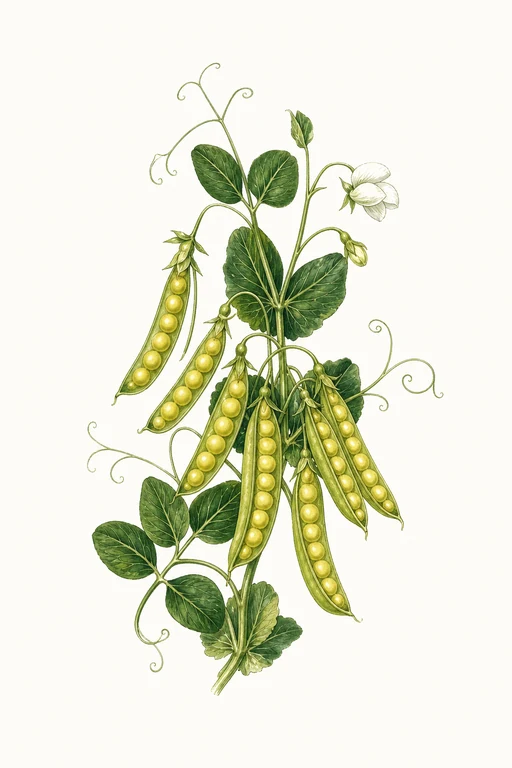
Sweet, garden-fresh peas with a clean, bright snap—Rondo’s shelling peas fill out in tidy pods and deliver a tender, succulent bite at peak sweetness.
The peas are well-suited to home harvest for steaming, quick stir-fries, and vibrant spring-forward sauces, with a flavor that stays sweet rather than starchy. Grow Rondo for reliable, 65-day performance and a satisfying, harvest-ready bounty that feels tailor-made for the season’s first warm days.
Light: Full SunMaturity: 65 DaysHabit: Upright
Location not set yet
Location not set yet
Enter your ZIP for local crop dates
Rondo Planting Dates by USDA Zone
Estimated US hardiness-zone windows for sow, transplant, and harvest. Enter a US ZIP above for exact local dates, or open a zone below.
| Zone | Start Indoors | Sow / Transplant | Harvest |
|---|---|---|---|
| Zone 1a | Protected Environment Only | ||
| Zone 1b | Protected Environment Only | ||
| Zone 2a | Direct Sow | May 25th | Jul 29th – Aug 29th |
| Zone 2b | Direct Sow | May 15th | Jul 19th – Aug 25th |
| Zone 3a | Direct Sow | May 15th | Jul 19th – Sep 1st |
| Zone 3b | Direct Sow | May 19th | Jul 23rd – Sep 21st |
| Zone 4a | Direct Sow | May 15th | Jul 19th – Sep 24th |
| Zone 4b | Direct Sow | May 13th | Jul 17th – Sep 27th |
| Zone 5a | Direct Sow | May 8th | Jul 12th – Sep 30th |
| Zone 5b | Direct Sow | May 4th | Jul 8th – Oct 5th |
| Zone 6a | Direct Sow | May 1st | Jul 5th – Oct 10th |
| Zone 6b | Direct Sow | Apr 25th | Jun 29th – Oct 16th |
| Zone 7a | Direct Sow | Apr 20th | Jun 24th – Oct 20th |
| Zone 7b | Direct Sow | Apr 10th | Jun 14th – Oct 28th |
| Zone 8a | Direct Sow | Apr 1st | Jun 5th – Nov 5th |
| Zone 8b | Direct Sow | Mar 23rd | May 27th – Nov 12th |
| Zone 9a | Direct Sow | Mar 6th | May 10th – Nov 26th |
| Zone 9b | Direct Sow | Feb 9th | Apr 15th – Dec 9th |
| Zone 10a | Continuous Production | ||
| Zone 10b | Continuous Production | ||
| Zone 11a | Continuous Production | ||
| Zone 11b | Continuous Production | ||
| Zone 12a | Continuous Production | ||
| Zone 12b | Continuous Production | ||
| Zone 13a | Continuous Production | ||
| Zone 13b | Continuous Production | ||
Crop Details
| Trait | Value |
|---|---|
| Days to Maturity | 65 |
| Sun Requirements | Full Sun |
| Growth Habit | Upright |
| Support Needed | Trellis |
| Planting Depth | Normal |
| Germination Temp (°F) | 45 |
| Min Soil Temp (°F) | 40 |
| Min Night Temp (°F) | 28 |
| Harden Off (days) | Not Required |
Culinary Notes

Chef's Note
Rondo’s edge is that sweet, crisp snap—so treat it like fresh fruit: high heat, short time, and quick seasoning so it doesn’t drift starchy. It shines when you want peas to stay jewel-bright and intact, not mush into the pan.

Best Uses
- steamed and dressed simply—peasey enough to stand alone with butter and salt
- quick stir-fry at high heat for glossy, intact peas
- springy sauce base (blend a handful with broth/cream to coat pasta)
- toss into rice or couscous right off the heat so they stay bright and firm

Flavor Profile

Frequently Asked Questions
What’s the most common disease issue for Pisum sativum (pea) called “Rondo,” and how do I prevent and treat it?
How often should I water Pisum sativum during the main growing phase (from flowering through pod fill)?
How do I tell when my Pisum sativum “Rondo” peas are ready to harvest?
Sowing Tips

Transplant Conditions
Wait until soil reaches 40°F and nights stay above 28°F before moving outdoors.
Expert Note

Direct sow shelling peas as soon as soil can be worked, keeping them evenly moist early to support quick, uniform pod set.