
Rose Gold
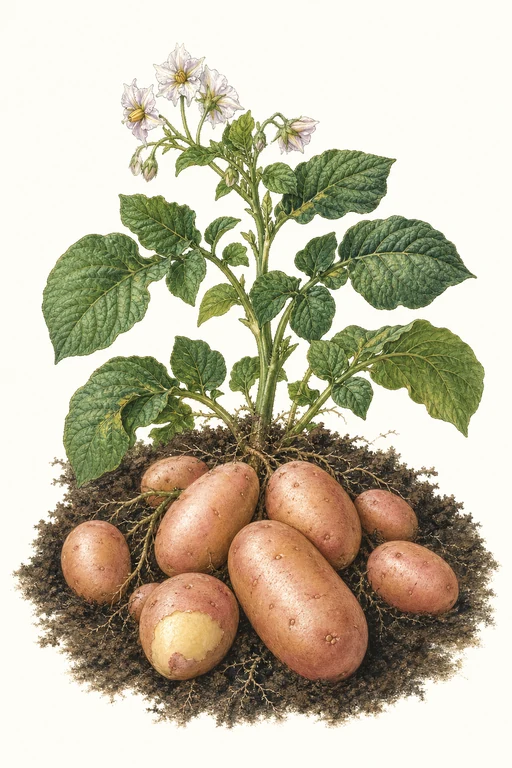
Sink your spoon into the promise of Rose Gold—tubers with a luminous, blush-rose skin that feels satin-smooth in the hand and reveals a creamy, golden interior.
The flavor is rich and gently buttery, with a fine, velvety texture that holds its character beautifully in hearty preparations, from roasting to mashing and silky sauces. A true heirloom for gardeners who love dependable, satisfying harvests at about 90 days, when the color turns unmistakably radiant.
Light: Full SunMaturity: 90 DaysHabit: Upright
Crop Dates : 4b
| Milestone | Date |
|---|---|
| Start Indoors | Direct Sow |
| Last Frost | May 13th |
| Transplant / Sow Outdoors | May 13th |
| Harvest Begins | Aug 11th |
| Harvest Ends | Sep 27th |
Crop Details
| Trait | Value |
|---|---|
| Days to Maturity | 90 |
| Sun Requirements | Full Sun |
| Growth Habit | Upright |
| Support Needed | None |
| Planting Depth | Normal |
| Germination Temp (°F) | 55 |
| Min Soil Temp (°F) | 45 |
| Min Night Temp (°F) | 35 |
| Harden Off (days) | Not Required |
Culinary Notes

Chef's Note
Rose Gold’s creamy, velvety interior makes it a standout for dishes where texture is the headline—roasts that stay custardy at the core, or mash that lands silky instead of floury. Its gentle sweetness plays especially well with butter-fat and sharp aromatics like garlic and pepper.

Best Uses
- hot, crisp roast wedges that stay creamy inside
- velvety mash with minimal dairy for a silken finish
- silky potato purée or gratin that doesn’t turn pasty
- lightly thickened chowder or potage for a smooth body

Flavor Profile

Frequently Asked Questions
What disease is most likely to affect Solanum tuberosum (potatoes) and how can I manage it?
How often should I water potatoes during their main growing phase?
How do I tell when to harvest Solanum tuberosum?
Sowing Tips

Transplant Conditions
Wait until soil reaches 45°F and nights stay above 35°F before moving outdoors.
Expert Note

Plant certified seed potatoes once soil is workable, keep consistent moisture, and hill as vines grow to protect developing tubers from sunlight.