
Rudolph
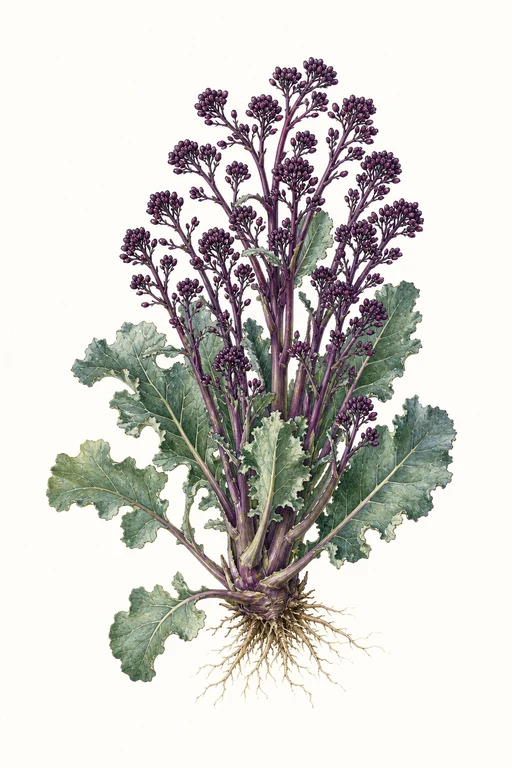
A whisper of winter-to-spring magic: Rudolph’s purple sprouting broccoli forms tender, jewel-toned shoots that emerge with a vivid, wine-dark cast and a sweet, green depth.
The texture is crisp-tender and finely branched, with a delicate bite that stays pleasantly lively even as the plants mature. Ideal for early-season harvests and for turning into vibrant spring greens—at their best when you want color, freshness, and a graceful, leafy centerpiece in the garden.
Light: Full SunMaturity: 55 DaysHabit: Rosette
Planting schedules and alerts are optimized for Columbus (Zone 6b).
Crop Dates
| Milestone | Date |
|---|---|
| Start Indoors | Mar 28th |
| Last Frost | Apr 25th |
| Transplant / Sow Outdoors | Apr 25th |
| Harvest Begins | Jun 19th |
| Harvest Ends | Oct 16th |
Crop Details
| Trait | Value |
|---|---|
| Days to Maturity | 55 |
| Sun Requirements | Full Sun |
| Growth Habit | Rosette |
| Support Needed | None |
| Planting Depth | Normal |
| Germination Temp (°F) | 75 |
| Min Soil Temp (°F) | 45 |
| Min Night Temp (°F) | 30 |
| Harden Off (days) | 6 |
Culinary Notes

Chef's Note
Rudolph’s purple sprouting heads are at their best when you respect the bite—quick heat keeps that crisp-tender, finely branched structure while the color turns jewel-bright, not dull. Use restrained seasoning (acid + fat) so the mild peppery edge stays clean rather than turning sulfurous.

Best Uses
- quick-steam and toss with butter for jewel-bright side dishes
- blanch-to-finish: preserve color, then fold into pasta with a thin emulsified sauce
- roast the young shoots at high heat for caramelized tips and a firmer crunch
- dress lightly with lemony vinaigrette and flaky salt to spotlight its crisp-tender texture

Flavor Profile

Frequently Asked Questions
How do I manage cabbage worms or aphids on Purple Sprouting Broccoli (Brassica oleracea var. italica) like ‘Rudolph’ during the growing period?
What watering schedule and soil moisture level should I maintain for Brassica oleracea var. italica while it’s actively forming shoots (around the first half to two-thirds of growth)?
When is ‘Rudolph’ Purple Sprouting Broccoli ready to harvest, and what should I look for on the heads?
Sowing Tips

Transplant Conditions
Wait until soil reaches 45°F and nights stay above 30°F before moving outdoors. Harden off for 6 days first.
Expert Note

For winter/early-spring harvests, keep young plants well-watered and protect from hard freezes with row cover when needed—purple sprouting types perform best through cool weather.