
Runner Bean 'Hestia
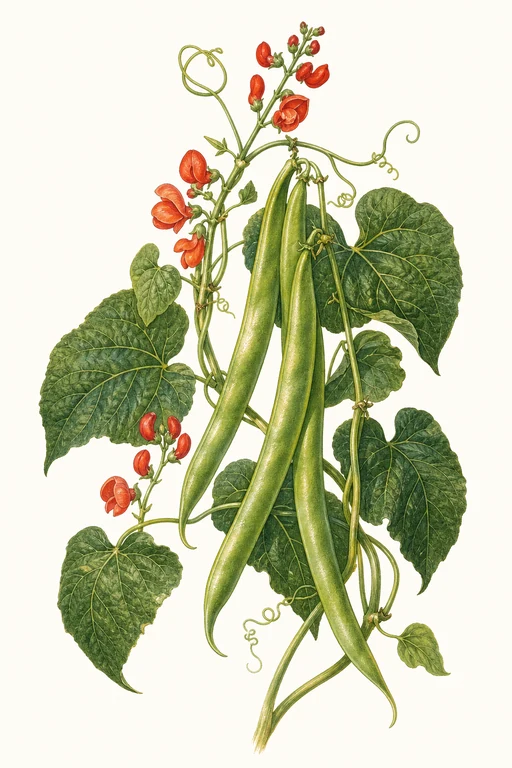
Sweetly perfumed and vividly fresh from the vine, Runner Bean ‘Hestia’ brings a graceful, long-bearing harvest with tender pods that hold their color and stay pleasantly crisp.
The beans develop with a smooth, succulent bite and a mild, garden-sweet flavor that shines in fresh use and also rewards warm roasting for deeper, caramel-kissed notes. Grow ‘Hestia’ for a steady, pole-climbing rhythm of slender pods—an elegant addition to the season’s most colorful legume displays.
Light: Full SunMaturity: 70 DaysHabit: Clumping
Planting schedules and alerts are optimized for Columbus (Zone 6b).
Crop Dates
| Milestone | Date |
|---|---|
| Start Indoors | Direct Sow |
| Last Frost | Apr 25th |
| Transplant / Sow Outdoors | Apr 25th |
| Harvest Begins | Jul 4th |
| Harvest Ends | Oct 16th |
Crop Details
| Trait | Value |
|---|---|
| Days to Maturity | 70 |
| Sun Requirements | Full Sun |
| Growth Habit | Clumping |
| Support Needed | Trellis |
| Planting Depth | Normal |
| Germination Temp (°F) | 60 |
| Min Soil Temp (°F) | 60 |
| Min Night Temp (°F) | 50 |
| Harden Off (days) | Not Required |
Culinary Notes

Chef's Note
With a tender-crisp bite and a mild sweetness that doesn’t taste “starchy,” this runner bean is at its best when you cook fast enough to keep that snap. Roast it just until it browns at the edges and it picks up caramel-kissed depth without turning chewy.

Best Uses
- quick sauté with garlic and lemon zest to keep pods crisp
- flash-roasting until edges brown for caramel notes
- toss into warm grain salads where they stay snappy
- lightly pickled or blanched for crisp cold salads

Flavor Profile

Frequently Asked Questions
What pest or disease commonly affects Phaseolus coccineus (runner beans), and what should I do if I see it?
How often should I water Phaseolus coccineus during peak growth and flowering?
How can I tell when Phaseolus coccineus runner beans are ready to harvest?
Sowing Tips

Transplant Conditions
Wait until soil reaches 60°F and nights stay above 50°F before moving outdoors.
Expert Note

Runner beans thrive when sown into warm soil—keep them evenly moist early to prevent uneven emergence and poor flowering.