
Sabz Pari
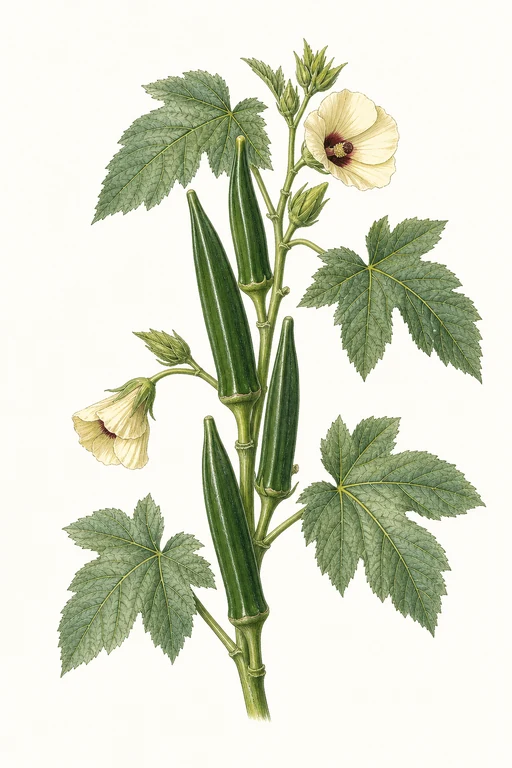
Tender pods of Sabz Pari arrive with a velvet, deep-green sheen and a pleasantly crisp snap, then soften into a smooth, silky texture when cooked.
Their flavor is fresh and grassy-sweet, ideal for spoonable sauces and hearty skillet favorites, while the young pods shine for quick pickling and bright garnishes. At about 55 days from sowing, this variety rewards steady gardeners with a steady harvest of uniformly attractive, easy-to-love pods.
Light: Full SunMaturity: 55 DaysHabit: Upright
Planting schedules and alerts are optimized for Columbus (Zone 6b).
Crop Dates
| Milestone | Date |
|---|---|
| Start Indoors | Direct Sow |
| Last Frost | Apr 25th |
| Transplant / Sow Outdoors | Apr 25th |
| Harvest Begins | Jun 19th |
| Harvest Ends | Oct 16th |
Crop Details
| Trait | Value |
|---|---|
| Days to Maturity | 55 |
| Sun Requirements | Full Sun |
| Growth Habit | Upright |
| Support Needed | None |
| Planting Depth | Normal |
| Germination Temp (°F) | 75 |
| Min Soil Temp (°F) | 65 |
| Min Night Temp (°F) | 55 |
| Harden Off (days) | Not Required |
Culinary Notes

Chef's Note
Sabz Pari okra hits the sweet-veg line—fresh and grassy—while cooking turns it silky and spoonable, not gluey. Use it young for pickles or a fast sear, then let it thicken sauces where its texture really earns its keep.

Best Uses
- quick pickling for bright, snappy rounds
- spoonable skillet sauce where the pods thicken without getting gummy
- roasting or pan-searing for a crisp exterior with a tender core
- garnishing bowls and stews with young pods for fresh snap

Flavor Profile

Frequently Asked Questions
What pest or disease most commonly affects Abelmoschus esculentus (okra), and how do I control it?
How often should I water okra (Abelmoschus esculentus) during the main growing phase?
How can I tell when okra (Abelmoschus esculentus) is ready to harvest?
Sowing Tips

Transplant Conditions
Wait until soil reaches 65°F and nights stay above 55°F before moving outdoors.
Expert Note

Direct sow Sabz Pari beans after soil warms and nights stay reliably mild, keeping moisture even for fast, uniform pod set.