
Scarlet
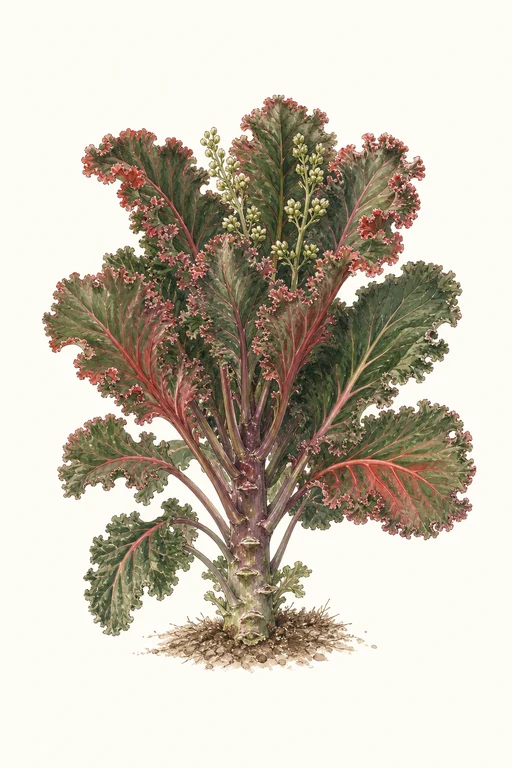
Velvety leaves unfurl in a dramatic scarlet-to-deep-green palette, with a crisp, tender bite that stays pleasantly sweet even as the weather cools.
“Scarlet” kale forms an upright, richly textured rosette—boldly frilled edges and a lively sheen that makes every harvest feel like a garden triumph. Ideal for fresh salads and vibrant sautéed greens, it also shines in hearty braises and robust purées, where its color deepens beautifully.
Light: Full SunMaturity: 55 DaysHabit: Rosette
Planting schedules and alerts are optimized for Columbus (Zone 6b).
Crop Dates
| Milestone | Date |
|---|---|
| Start Indoors | Mar 21st |
| Last Frost | Apr 25th |
| Transplant / Sow Outdoors | Apr 25th |
| Harvest Begins | Jun 19th |
| Harvest Ends | Oct 16th |
Crop Details
| Trait | Value |
|---|---|
| Days to Maturity | 55 |
| Sun Requirements | Full Sun |
| Growth Habit | Rosette |
| Support Needed | None |
| Planting Depth | Normal |
| Germination Temp (°F) | 45 |
| Min Soil Temp (°F) | 40 |
| Min Night Temp (°F) | 30 |
| Harden Off (days) | 6 |
Culinary Notes

Chef's Note
Scarlet kale’s frilled leaves start crisp and stay sweet, so it doesn’t demand heavy cooking to be enjoyable—just enough heat to tame the pepper snap. When you braise or purée it, the texture goes velvety and the color deepens, making it feel more “meaty greens” than salad lettuce.

Best Uses
- massaged or lightly dressed salads where the leaves keep their structure
- quick sauté with garlic and olive oil for a glossy, not-too-bitter mouthfeel
- braises (add stock and let it collapse) where the color turns darker and the edges go silky
- thick purées or blended soups for a spoonable, green-grit texture

Flavor Profile

Frequently Asked Questions
What pest or disease is most likely on Brassica oleracea (scarlet), and how can I manage it?
How often should I water Brassica oleracea during the main growing phase?
How do I know when my Brassica oleracea (scarlet) is ready to harvest?
Sowing Tips

Transplant Conditions
Wait until soil reaches 40°F and nights stay above 30°F before moving outdoors. Harden off for 6 days first.
Expert Note

For the sweetest flavor and best color, grow Scarlet kale in cool weather and keep evenly moist—hard frosts are usually an advantage rather than a problem.