
Self-Blanche
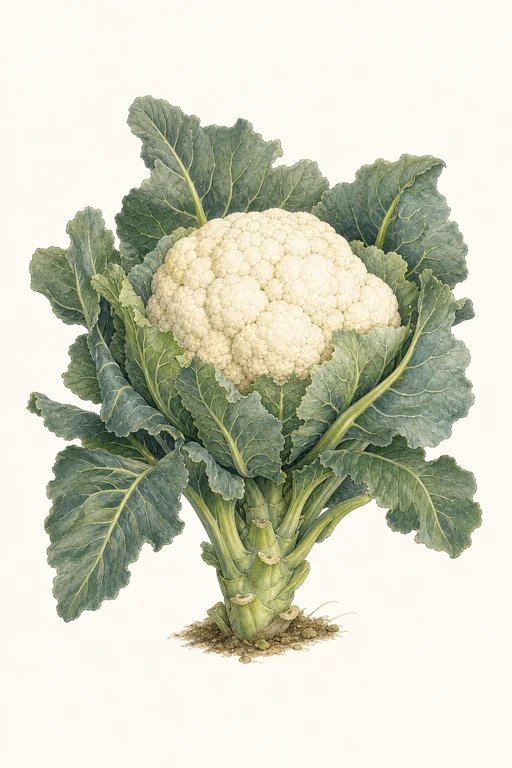
Velvety, self-blanching curds arrive in a calm, luminous cream—soft to the eye and remarkably tender at the bite.
“Self-Blanche” forms a compact, rounded head that naturally shields itself with its own foliage, keeping the flavor clean and sweet with a fine, delicate texture. Ideal for showcasing in fresh salads, steaming, and roasting, this cauliflower is a garden-to-table centerpiece that turns simple meals into something quietly luxurious.
Light: Full SunMaturity: 75 DaysHabit: Rosette
Planting schedules and alerts are optimized for Columbus (Zone 6b).
Crop Dates
| Milestone | Date |
|---|---|
| Start Indoors | Mar 21st |
| Last Frost | Apr 25th |
| Transplant / Sow Outdoors | Apr 18th |
| Harvest Begins | Jul 2nd |
| Harvest Ends | Oct 16th |
Crop Details
| Trait | Value |
|---|---|
| Days to Maturity | 75 |
| Sun Requirements | Full Sun |
| Growth Habit | Rosette |
| Support Needed | None |
| Planting Depth | Normal |
| Germination Temp (°F) | 40 |
| Min Soil Temp (°F) | 45 |
| Min Night Temp (°F) | 30 |
| Harden Off (days) | 6 |
Culinary Notes

Chef's Note
Self-blanching heads stay pale and tidy, so you get that clean, sweet cauliflower taste without the funk that darker curds can bring. Use it for steaming, roasting, or steak-slicing—its tender, fine texture grabs butter, lemon, and cheese without collapsing into puree.

Best Uses
- steamed or lightly blanched florets for a pure, creamy mouthfeel
- high-heat roasting until edges caramelize while the center stays tender
- thick “steak” slices for searing and sauce pickup
- fresh salads where it stays snappy under vinaigrette

Flavor Profile

Frequently Asked Questions
What pest or disease commonly affects Brassica oleracea var. botrytis (self-blanching cauliflower), and how do I manage it?
How often should I water self-blanching cauliflower during the main growing period?
How can I tell when self-blanching cauliflower (Brassica oleracea var. botrytis) is ready to harvest?
Sowing Tips

Transplant Conditions
Wait until soil reaches 45°F and nights stay above 30°F before moving outdoors. Harden off for 6 days first.
Expert Note

Start plants early for a cool, even growth period, and if heads begin to loosen, continue consistent moisture to prevent curds from separating.