
Siberian Mustard
Silky, tender leaves unfurl with a crisp snap and a bright, peppery mustard bite—Siberian Mustard brings a refreshing zing that lingers like cool air on the palate.
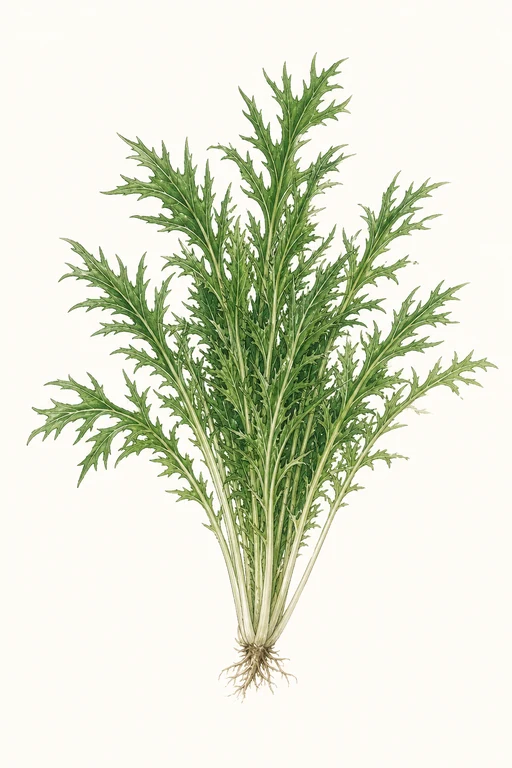
At maturity in about 35 days, the mizuna-style foliage forms an airy, upright rosette of finely cut, feathered greens that stay pleasantly crisp for salads and quick sautéing, and they also shine in savory stir-fries and flavorful sauces. Grow it for bold, garden-fresh greens that turn even the simplest meals into something spirited.
Light: Full SunMaturity: 35 DaysHabit: Rosette
Planting schedules and alerts are optimized for Columbus (Zone 6b).
Crop Dates
| Milestone | Date |
|---|---|
| Start Indoors | Apr 4th |
| Last Frost | Apr 25th |
| Transplant / Sow Outdoors | Apr 25th |
| Harvest Begins | May 30th |
| Harvest Ends | Oct 16th |
Crop Details
| Trait | Value |
|---|---|
| Days to Maturity | 35 |
| Sun Requirements | Full Sun |
| Growth Habit | Rosette |
| Support Needed | None |
| Planting Depth | Normal |
| Germination Temp (°F) | 45 |
| Min Soil Temp (°F) | 40 |
| Min Night Temp (°F) | 30 |
| Harden Off (days) | 6 |
Culinary Notes

Chef's Note
Siberian Mustard tastes like fresh peppery greens with a clean, cool edge—its mizuna-style leaves stay featherlight and crisp long enough to matter. Treat it gently: brief heat or a bright acidic dressing keeps that snap and prevents the bitterness from getting loud.

Best Uses
- raw or lightly dressed salads where the pepper bite can stay sharp
- quick sauté in a hot pan—finish with a slick of butter or sesame oil
- stir-fries where the greens wilt fast but keep their feathered texture
- whisk into a fast sauce (mustard-mayo or yogurt-tahini style) to flavor without heavy cook time

Flavor Profile

Frequently Asked Questions
Siberian mustard (Eruca vesicaria) — what should I do about flea beetles or leaf damage?
How often should I water Siberian mustard during the main leaf-growing period?
How can I tell when Siberian mustard is ready to harvest?
Sowing Tips

Transplant Conditions
Wait until soil reaches 40°F and nights stay above 30°F before moving outdoors. Harden off for 6 days first.
Expert Note

For best flavor and slow bolting, keep it cool and harvest outer leaves regularly once rosettes form.