
Sieva
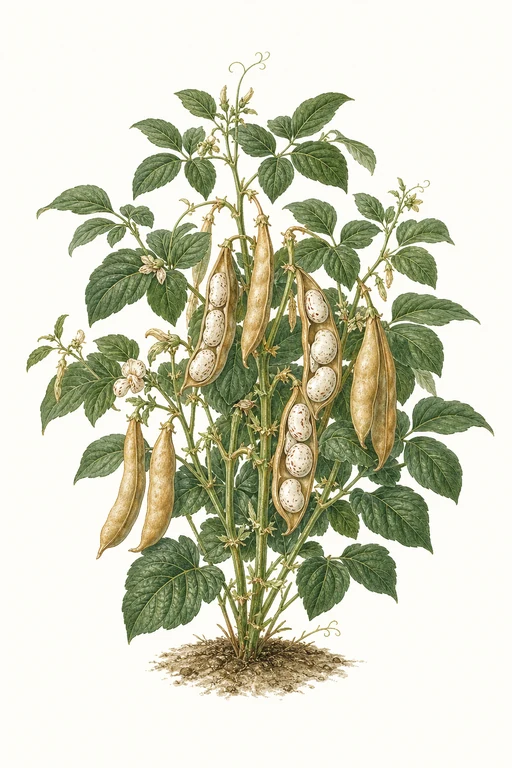
Silky, buttery pods open to reveal Sieva’s distinctive, creamy-white beans—each one plump and delicately speckled, with a smooth, tender bite that feels almost velvety.
Expect a dependable bush habit with pods that mature in about 90 days, making it a satisfying choice for gardeners who love a steady harvest. Sieva shines in hearty bean bowls, rich purées, and slow-simmered favorites, and it also lends itself beautifully to fresh, bright salads when you catch the beans at their tender stage.
Light: Full SunMaturity: 90 DaysHabit: Vine
Planting schedules and alerts are optimized for Columbus (Zone 6b).
Crop Dates
| Milestone | Date |
|---|---|
| Start Indoors | Direct Sow |
| Last Frost | Apr 25th |
| Transplant / Sow Outdoors | Apr 25th |
| Harvest Begins | Jul 24th |
| Harvest Ends | Oct 16th |
Crop Details
| Trait | Value |
|---|---|
| Days to Maturity | 90 |
| Sun Requirements | Full Sun |
| Growth Habit | Vine |
| Support Needed | Trellis |
| Planting Depth | Normal |
| Germination Temp (°F) | 75 |
| Min Soil Temp (°F) | 60 |
| Min Night Temp (°F) | 50 |
| Harden Off (days) | Not Required |
Culinary Notes

Chef's Note
Sieva’s creamy-white, buttery temperament cooks up plush and velvety—ideal when you want a spoonable texture that doesn’t turn sandy. Because it’s tender and mildly sweet, it loves clean acids (lemon/vinegar) and salty smoke, so it tastes balanced instead of heavy.

Best Uses
- slow-simmered bean bowls with smoked meat or aromatics
- silky purées (finish with olive oil and a splash of vinegar or lemon)
- warm salads using tender freshly cooked beans
- soups and stews where the beans need to stay plush, not break down

Flavor Profile

Frequently Asked Questions
What’s a common problem for Phaseolus lunatus (Sieva/Christmas lima beans) and how do I fix it?
How often should I water Sieva beans during the main growing phase?
How can I tell when Sieva (Phaseolus lunatus) is ready to harvest?
Sowing Tips

Transplant Conditions
Wait until soil reaches 60°F and nights stay above 50°F before moving outdoors.
Expert Note

For best establishment, warm the soil fully and inoculate with a bean inoculant if you haven’t grown legumes there recently.