
Silver Queen
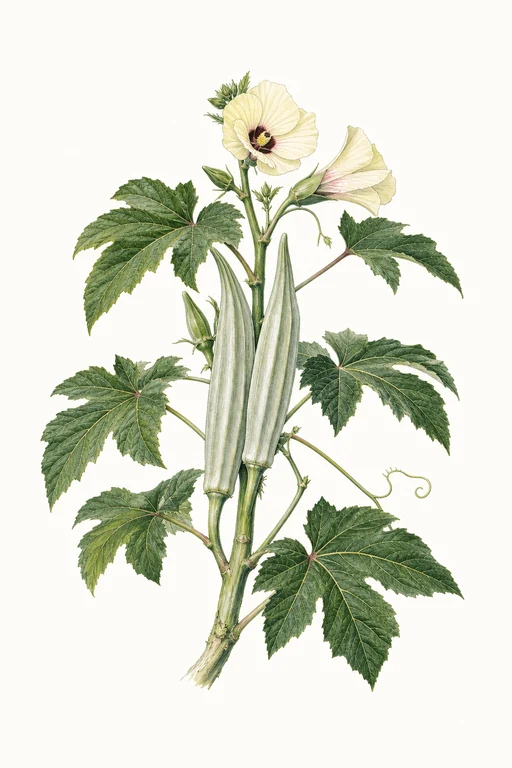
Tender pods of Silver Queen emerge in a luminous, pale green sheen, with a crisp snap and a delicately mild, vegetable-sweet flavor.
At about 55 days, plants produce slender, uniform okra that stays pleasantly tender for fresh enjoyment and shines in skillet-ready preparations, from quick roasting to silky sauces. Grow this variety for a garden-to-table harvest that looks as good as it tastes—clean, bright pods with a refined texture that keeps you reaching back for more.
Light: Full SunMaturity: 55 DaysHabit: Upright
Planting schedules and alerts are optimized for Columbus (Zone 6b).
Crop Dates
| Milestone | Date |
|---|---|
| Start Indoors | Direct Sow |
| Last Frost | Apr 25th |
| Transplant / Sow Outdoors | May 23rd |
| Harvest Begins | Jul 17th |
| Harvest Ends | Oct 16th |
Crop Details
| Trait | Value |
|---|---|
| Days to Maturity | 55 |
| Sun Requirements | Full Sun |
| Growth Habit | Upright |
| Support Needed | None |
| Planting Depth | Normal |
| Germination Temp (°F) | 80 |
| Min Soil Temp (°F) | 65 |
| Min Night Temp (°F) | 55 |
| Harden Off (days) | 10 |
Culinary Notes

Chef's Note
Silver Queen’s slender pods deliver a crisp snap and mild sweetness, so you get the okra texture without the gummy overstay. Cook hot and fast for that luminous, fresh bite—or let it go slightly longer in a tomato-based pan to coax a silky sauce that coats everything.

Best Uses
- hot skillet quick-cook (roast or sauté) to keep pods snappy
- stir-fries where okra’s slip helps lightly cling to sauce
- skillet braises or gumbos for a spoonable, thickened texture
- quick-pickling for crisp, tangy bites

Flavor Profile

Frequently Asked Questions
What pest or disease problem commonly affects Zea mays var. saccharata (Silver Queen sweet corn), and how can I manage it?
How often should I water Silver Queen sweet corn during the main growing phase?
How do I tell when Silver Queen sweet corn is ready to harvest?
Sowing Tips

Transplant Conditions
Wait until soil reaches 65°F and nights stay above 55°F before moving outdoors. Harden off for 10 days first.

Direct Sow Preferred
Sensitive roots — does not transplant well. If starting indoors, use biodegradable pots and disturb roots as little as possible when moving outdoors.
Expert Note

Silver Queen is typically direct-sown: plant when soil is reliably warm to avoid poor germination and weak stand establishment.