
Snow Crown
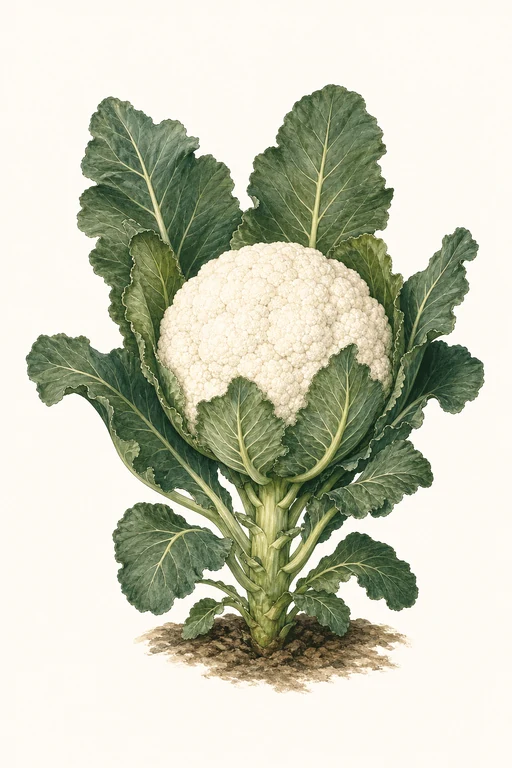
A luminous, snow-white crown with a satin, finely grained curd that seems to glow against its deep green foliage—Snow Crown is the cauliflower you’ll want to grow just to admire.
Expect a tender, sweet flavor and a crisp-yet-silky texture at maturity, with heads that hold their color beautifully. Ideal for showcasing in fresh preparations, roasting, and creamy sauces, Snow Crown brings a refined, garden-fresh elegance to every plate.
Light: Full SunMaturity: 55 DaysHabit: Rosette
Planting schedules and alerts are optimized for Columbus (Zone 6b).
Crop Dates
| Milestone | Date |
|---|---|
| Start Indoors | Mar 21st |
| Last Frost | Apr 25th |
| Transplant / Sow Outdoors | Apr 18th |
| Harvest Begins | Jun 12th |
| Harvest Ends | Oct 16th |
Crop Details
| Trait | Value |
|---|---|
| Days to Maturity | 55 |
| Sun Requirements | Full Sun |
| Growth Habit | Rosette |
| Support Needed | None |
| Planting Depth | Normal |
| Germination Temp (°F) | 75 |
| Min Soil Temp (°F) | 45 |
| Min Night Temp (°F) | 32 |
| Harden Off (days) | 6 |
Culinary Notes

Chef's Note
Snow Crown’s finely grained, snow-white curd turns buttery without going fluffy, so it roasts beautifully and stays photogenic in creamy sauces. Use it anywhere you want cauliflower that reads sweet and refined, not cabbagey.

Best Uses
- roasting until the edges go caramel-brown while the center stays creamy
- blanch-and-blend for a smooth cauliflower purée (no graininess)
- hot-and-cold cauliflower steaks with a quick vinaigrette glaze
- creamy gratin or velouté where it holds shape and stays pale

Flavor Profile

Frequently Asked Questions
What pest or disease most commonly affects Brassica oleracea var. botrytis (Snow Crown), and how do I control it?
How often should I water Snow Crown heads during their main growth to keep curds developing well?
How can I tell when Snow Crown is ready to harvest?
Sowing Tips

Transplant Conditions
Wait until soil reaches 45°F and nights stay above 32°F before moving outdoors. Harden off for 6 days first.
Expert Note

Start cauliflower slightly earlier than typical brassicas and transplant when nights are reliably cool to keep heads tight and reduce the risk of bolting.