
Socrates
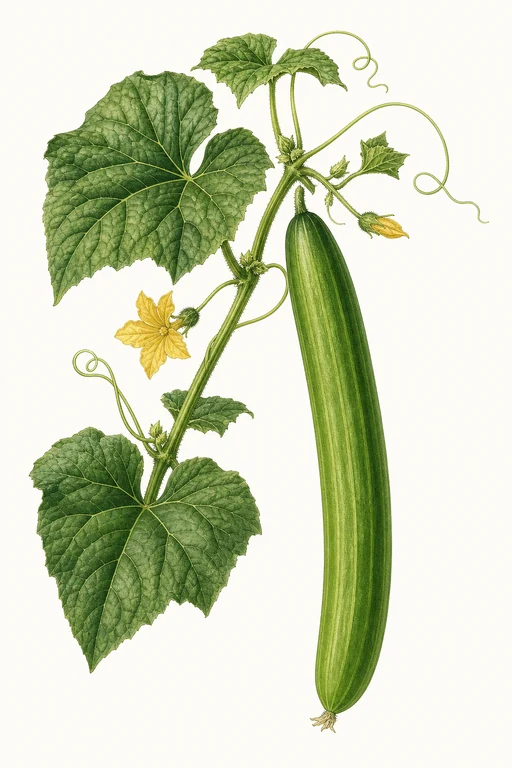
Cool, crisp snap leads the way with Socrates—an elegant Beit Alpha cucumber prized for its clean, refreshing flavor and tightly textured flesh that stays pleasantly firm.
At maturity it forms long, straight fruits with a bright, even skin and a refined, tender bite, ideal for slicing into vivid platters and for showcasing in fresh, vibrant preparations. Grow Socrates for a steady, garden-to-table harvest that tastes as bright as it looks.
Light: Full SunMaturity: 50 DaysHabit: Vine
Location not set yet
Location not set yet
Enter your ZIP for local crop dates
Socrates Planting Dates by USDA Zone
Estimated US hardiness-zone windows for sow, transplant, and harvest. Enter a US ZIP above for exact local dates, or open a zone below.
| Zone | Start Indoors | Sow / Transplant | Harvest |
|---|---|---|---|
| Zone 1a | Protected Environment Only | ||
| Zone 1b | Direct Sow | Jun 15th | Aug 4th – Aug 1st |
| Zone 2a | Direct Sow | Jun 8th | Jul 28th – Aug 29th |
| Zone 2b | Direct Sow | May 29th | Jul 18th – Aug 25th |
| Zone 3a | Direct Sow | May 29th | Jul 18th – Sep 1st |
| Zone 3b | Direct Sow | Jun 2nd | Jul 22nd – Sep 21st |
| Zone 4a | Direct Sow | May 29th | Jul 18th – Sep 24th |
| Zone 4b | Direct Sow | May 27th | Jul 16th – Sep 27th |
| Zone 5a | Direct Sow | May 22nd | Jul 11th – Sep 30th |
| Zone 5b | Direct Sow | May 18th | Jul 7th – Oct 5th |
| Zone 6a | Direct Sow | May 15th | Jul 4th – Oct 10th |
| Zone 6b | Direct Sow | May 9th | Jun 28th – Oct 16th |
| Zone 7a | Direct Sow | May 4th | Jun 23rd – Oct 20th |
| Zone 7b | Direct Sow | Apr 24th | Jun 13th – Oct 28th |
| Zone 8a | Direct Sow | Apr 15th | Jun 4th – Nov 5th |
| Zone 8b | Direct Sow | Apr 6th | May 26th – Nov 12th |
| Zone 9a | Direct Sow | Mar 20th | May 9th – Nov 26th |
| Zone 9b | Direct Sow | Feb 23rd | Apr 14th – Dec 9th |
| Zone 10a | Continuous Production | ||
| Zone 10b | Continuous Production | ||
| Zone 11a | Continuous Production | ||
| Zone 11b | Continuous Production | ||
| Zone 12a | Continuous Production | ||
| Zone 12b | Continuous Production | ||
| Zone 13a | Continuous Production | ||
| Zone 13b | Continuous Production | ||
Crop Details
| Trait | Value |
|---|---|
| Days to Maturity | 50 |
| Sun Requirements | Full Sun |
| Growth Habit | Vine |
| Support Needed | Trellis |
| Planting Depth | Normal |
| Germination Temp (°F) | 80 |
| Min Soil Temp (°F) | 65 |
| Min Night Temp (°F) | 55 |
| Harden Off (days) | 10 |
Culinary Notes

Chef's Note
Socrates is built for the bite: tightly textured flesh stays pleasantly firm, so even after slicing it won’t collapse into wet shreds. Use it cold and naked—salt, citrus, yogurt, or a swift pickle—to let that clean, refreshing snap do the talking.

Best Uses
- paper-thin slices on sourdough or rye with a quick hit of salt—no weeping
- chilled cucumber crudo with citrus zest and olive oil
- tzatziki-style mash where the flesh holds a crisp bite
- briny, fast-pickled rounds for sandwich crunch

Flavor Profile

Frequently Asked Questions
What pest or disease most commonly affects Cucumis sativus (cucumber), and what should I do first?
How often should I water Cucumis sativus during the main growing phase (after it starts running)?
How can I tell when Cucumis sativus is ready to harvest?
Sowing Tips

Transplant Conditions
Wait until soil reaches 65°F and nights stay above 55°F before moving outdoors. Harden off for 10 days first.

Direct Sow Preferred
Sensitive roots — does not transplant well. If starting indoors, use biodegradable pots and disturb roots as little as possible when moving outdoors.
Expert Note

For the earliest harvest, use black plastic or row cover to warm the soil and keep nights reliably warm after transplanting.