
Soraya
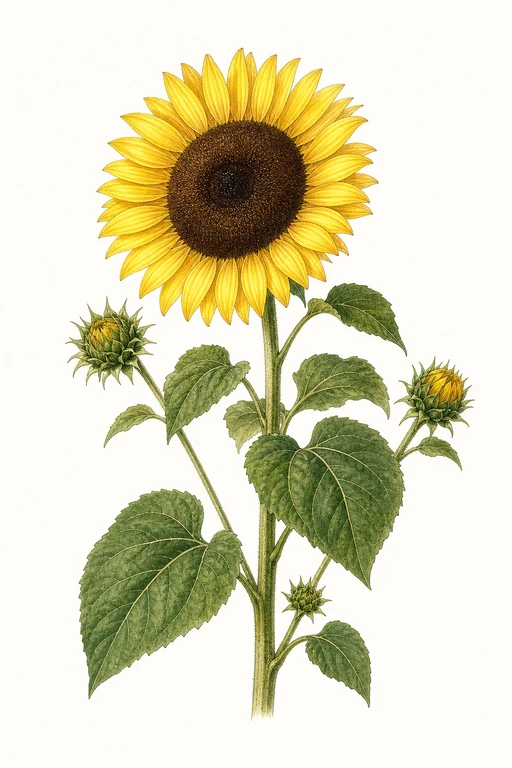
Warm golden petals unfurl with a radiant, honeyed glow, framing a deep, chocolate-brown center that feels richly textured at every glance.
Soraya’s blooms are bold and upright, with sturdy stems that hold their presence from garden to vase, and its dense seed head promises a satisfying, nutty harvest for seed oil and bird-friendly enjoyment. A standout for pollinators, Soraya brings long-lasting summer color and a dramatic focal point—ideal for borders, back rows, and sunny corners where you want beauty that keeps returning.
Light: Full SunMaturity: 70 DaysHabit: Upright
Crop Dates : 8a
| Milestone | Date |
|---|---|
| Start Indoors | Direct Sow |
| Last Frost | Apr 1st |
| Transplant / Sow Outdoors | Apr 1st |
| Harvest Begins | Jun 10th |
| Harvest Ends | Nov 5th |
Crop Details
| Trait | Value |
|---|---|
| Days to Maturity | 70 |
| Sun Requirements | Full Sun |
| Growth Habit | Upright |
| Support Needed | None |
| Planting Depth | Normal |
| Germination Temp (°F) | 70 |
| Min Soil Temp (°F) | 55 |
| Min Night Temp (°F) | 45 |
| Harden Off (days) | Not Required |
Culinary Notes

Chef's Note
Soraya’s edible angle is in the warm, honey-tinged petals and the genuinely nutty seed payoff—great when you want crunch without bitterness. Use the seeds toasted for a dry, snappy texture, and lean on citrus or vinegar to keep the flavor from tipping heavy.

Best Uses
- petals as an edible garnish for salads and desserts
- cold-press sunflower oil for bright, nutty finishing
- toasting seeds for crunchy toppings on grains and slaws

Flavor Profile

Frequently Asked Questions
Why are my Helianthus annuus (sunflower) leaves turning yellow or getting spots, and what should I do?
How often should I water Helianthus annuus during the main growing phase?
How can I tell when my Helianthus annuus is ready to harvest (about 70 days)?
Sowing Tips

Transplant Conditions
Wait until soil reaches 55°F and nights stay above 45°F before moving outdoors.
Expert Note

Sow sunflower seed where it will grow and keep evenly moist until established—full sun and room to spread make the biggest difference.