
Sox
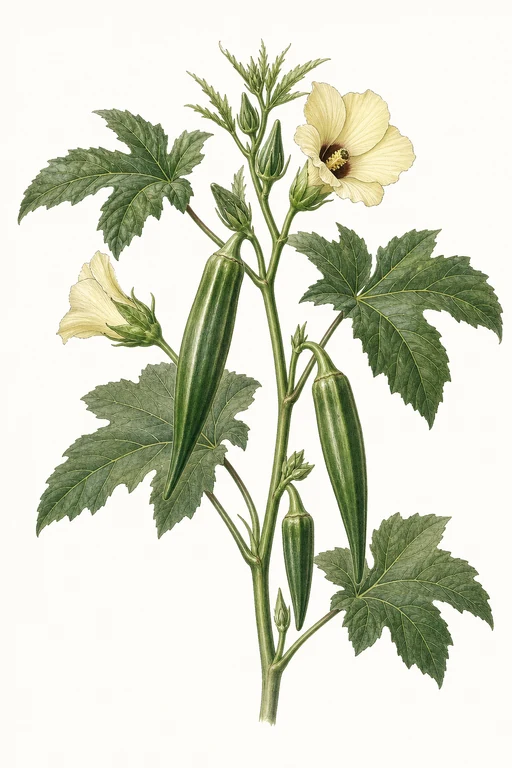
Tender pods arrive in a steady rhythm, with a velvety, deep-green sheen and a crisp bite that keeps its charm from first harvest onward.
“Sox” produces slender, well-filled okra pods that feel pleasantly firm—never stringy—ideal for showcasing their fresh, garden-bright character in quick skillet-style preparations and bold sauces. Grow it for reliable midsummer yields and that unmistakable, lush okra flavor that turns simple meals into favorites.
Light: Full SunMaturity: 55 DaysHabit: Bush
Planting schedules and alerts are optimized for Columbus (Zone 6b).
Crop Dates
| Milestone | Date |
|---|---|
| Start Indoors | Direct Sow |
| Last Frost | Apr 25th |
| Transplant / Sow Outdoors | May 9th |
| Harvest Begins | Jul 3rd |
| Harvest Ends | Oct 16th |
Crop Details
| Trait | Value |
|---|---|
| Days to Maturity | 55 |
| Sun Requirements | Full Sun |
| Growth Habit | Bush |
| Support Needed | None |
| Planting Depth | Normal |
| Germination Temp (°F) | 80 |
| Min Soil Temp (°F) | 65 |
| Min Night Temp (°F) | 55 |
| Harden Off (days) | 10 |
Culinary Notes

Chef's Note
Sox okra comes in slender, well-filled pods that keep their crisp-tender bite, so you get the signature okra “body” without the chew turning ropey. It’s a midsummer workhorse—ideal for fast heat and quick reductions where the pods stay green and clean, not gray.

Best Uses
- quick skillet sauté where the pods stay firm and bright
- okra-thickened sauce (reduce until glossy, not slimy)
- fried pods or fritter mix for a tight crust over a custardy center
- gumbo-style pot where it plays well without turning stringy

Flavor Profile

Frequently Asked Questions
What is a common okra (Abelmoschus esculentus) pest or disease problem, and how do I control it?
How often should I water okra during the main growing phase?
How can I tell when okra (Abelmoschus esculentus) is ready to harvest?
Sowing Tips

Transplant Conditions
Wait until soil reaches 65°F and nights stay above 55°F before moving outdoors. Harden off for 10 days first.

Direct Sow Preferred
Sensitive roots — does not transplant well. If starting indoors, use biodegradable pots and disturb roots as little as possible when moving outdoors.
Expert Note

Direct-sow after warm soil conditions, keep it consistently warm, and thin to strong plants for best pod size and early harvest.