
St. George
A slow-simmering sweetness meets a crisp, snap-forward bite: St.
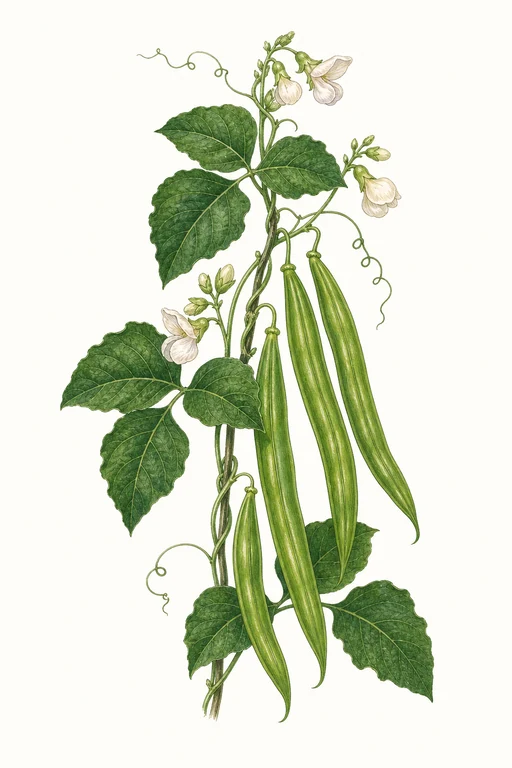
George pole beans form long, elegant pods that roast up fragrant and caramel-kissed, or shine fresh with a tender, garden-clean crunch. Their texture stays pleasantly firm, holding shape through the season for reliable harvests and beautiful color in the bowl. Grow St. George for standout pod presence—then let its rich, bean-forward flavor carry you through sautéed sides, hearty sauces, and pickled accents.
Light: Full SunMaturity: 100 DaysHabit: Clumping
Planting schedules and alerts are optimized for Columbus (Zone 6b).
Crop Dates
| Milestone | Date |
|---|---|
| Start Indoors | Direct Sow |
| Last Frost | Apr 25th |
| Transplant / Sow Outdoors | Apr 25th |
| Harvest Begins | Aug 3rd |
| Harvest Ends | Oct 16th |
Crop Details
| Trait | Value |
|---|---|
| Days to Maturity | 100 |
| Sun Requirements | Full Sun |
| Growth Habit | Clumping |
| Support Needed | Trellis |
| Planting Depth | Normal |
| Germination Temp (°F) | 70 |
| Min Soil Temp (°F) | 60 |
| Min Night Temp (°F) | 50 |
| Harden Off (days) | Not Required |
Culinary Notes

Chef's Note
St. George pole beans stay firm while cooking, so they can take real heat and still deliver that snap—then swing into caramel-kissed sweetness when roasted. They’re built for skillet brightness (lemon/garlic) or simmered bean-sauces where the pods won’t collapse into a watery mess.

Best Uses
- high-heat dry-sauté or quick roast until blistered and still crisp
- toss into a lemon-garlic skillet for a bright, snappy side
- slow-cook for bean-forward sauce thickness without turning mushy
- quick pickle accents for tangy crunch

Flavor Profile

Frequently Asked Questions
What pests commonly attack scarlet runner beans (Phaseolus coccineus, St. George), and how can I stop them?
How often should I water St. George runner beans during peak growth?
How do I know when St. George (Phaseolus coccineus) is ready to harvest?
Sowing Tips

Transplant Conditions
Wait until soil reaches 60°F and nights stay above 50°F before moving outdoors.
Expert Note

Direct-sow after soil warms and keep the soil evenly moist early for fast, uniform sprouting and strong pole coverage.