
SteakHouse
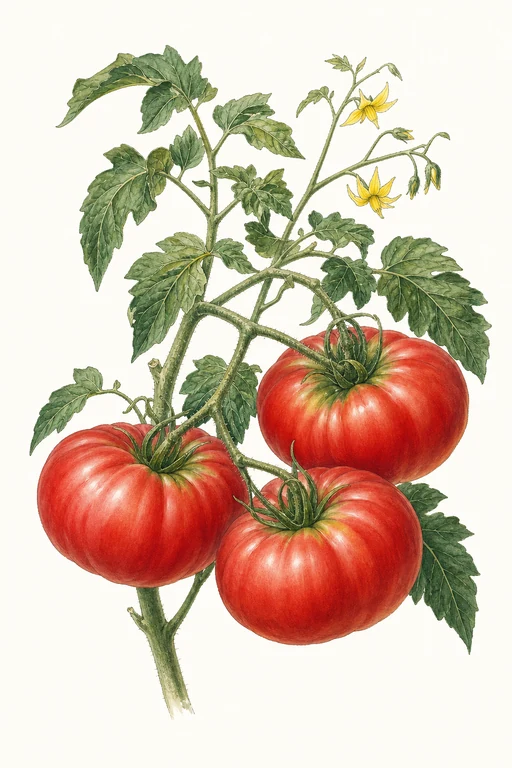
Sink your spoon into SteakHouse’s lush, beefsteak heart—its flesh is richly aromatic and juicy, with a balanced sweetness that blooms into a gentle, savory tang.
The fruits are large and wonderfully meaty, with a smooth, satin skin that stays elegant even when sliced thick for bold salads and showy platters. Grow SteakHouse for standout summer flavor and a garden-to-table centerpiece worthy of every harvest basket.
Light: Full SunMaturity: 90 DaysHabit: Indeterminate
Location not set yet
Location not set yet
Enter your ZIP for local crop dates
SteakHouse Planting Dates by USDA Zone
Estimated US hardiness-zone windows for sow, transplant, and harvest. Enter a US ZIP above for exact local dates, or open a zone below.
| Zone | Start Indoors | Sow / Transplant | Harvest |
|---|---|---|---|
| Zone 1a | Protected Environment Only | ||
| Zone 1b | Protected Environment Only | ||
| Zone 2a | Mar 30th | Jul 20th | Oct 18th – Aug 29th |
| Zone 2b | Mar 20th | Jul 10th | Oct 8th – Aug 25th |
| Zone 3a | Mar 20th | Jul 10th | Oct 8th – Sep 1st |
| Zone 3b | Mar 24th | Jul 14th | Oct 12th – Sep 21st |
| Zone 4a | Mar 20th | Jul 10th | Oct 8th – Sep 24th |
| Zone 4b | Mar 18th | Jul 8th | Oct 6th – Sep 27th |
| Zone 5a | Mar 13th | Jul 3rd | Oct 1st – Sep 30th |
| Zone 5b | Mar 9th | Jun 29th | Sep 27th – Oct 5th |
| Zone 6a | Mar 6th | Jun 26th | Sep 24th – Oct 10th |
| Zone 6b | Feb 28th | Jun 20th | Sep 18th – Oct 16th |
| Zone 7a | Feb 23rd | Jun 15th | Sep 13th – Oct 20th |
| Zone 7b | Feb 13th | Jun 5th | Sep 3rd – Oct 28th |
| Zone 8a | Feb 4th | May 27th | Aug 25th – Nov 5th |
| Zone 8b | Jan 26th | May 18th | Aug 16th – Nov 12th |
| Zone 9a | Jan 9th | May 1st | Jul 30th – Nov 26th |
| Zone 9b | Dec 15th | Apr 6th | Jul 5th – Dec 9th |
| Zone 10a | Continuous Production | ||
| Zone 10b | Continuous Production | ||
| Zone 11a | Continuous Production | ||
| Zone 11b | Continuous Production | ||
| Zone 12a | Continuous Production | ||
| Zone 12b | Continuous Production | ||
| Zone 13a | Continuous Production | ||
| Zone 13b | Continuous Production | ||
Crop Details
| Trait | Value |
|---|---|
| Days to Maturity | 90 |
| Sun Requirements | Full Sun |
| Growth Habit | Indeterminate |
| Support Needed | Stake |
| Planting Depth | Deep |
| Germination Temp (°F) | 75 |
| Min Soil Temp (°F) | 60 |
| Min Night Temp (°F) | 50 |
| Harden Off (days) | 10 |
Culinary Notes

Chef's Note
SteakHouse is a true spoon-ready beefsteak: juicy, aromatic, and sweet-tang balanced, with a silky skin that keeps its shape for thick slicing. Use it as the star—salt, oil, pepper, and heat are all you need to let that meaty tomato texture land clean on the palate.

Best Uses
- thick slices on toast with a hot sear—so it doesn’t fall apart, it holds
- summer platters with just-salted tomatoes so the aroma stays upfront
- bold salads where you want tomato as the main texture (not a watery background)
- fast pan-sear and blister for sauces that taste like fresh tomatoes instead of cooked-down sugar

Flavor Profile

Frequently Asked Questions
What’s a common disease for Solanum lycopersicum (tomato) and how do I stop it?
How often should I water a tomato (Solanum lycopersicum) during peak growth?
How can I tell when my tomato (Solanum lycopersicum) is ready to harvest?
Sowing Tips

Transplant Conditions
Wait until soil reaches 60°F and nights stay above 50°F before moving outdoors. Harden off for 10 days first.
Expert Note

Start seeds with consistent warmth and don’t transplant until soil is truly 60°F+ to prevent chilling-stunt in extra-large fruit types.