
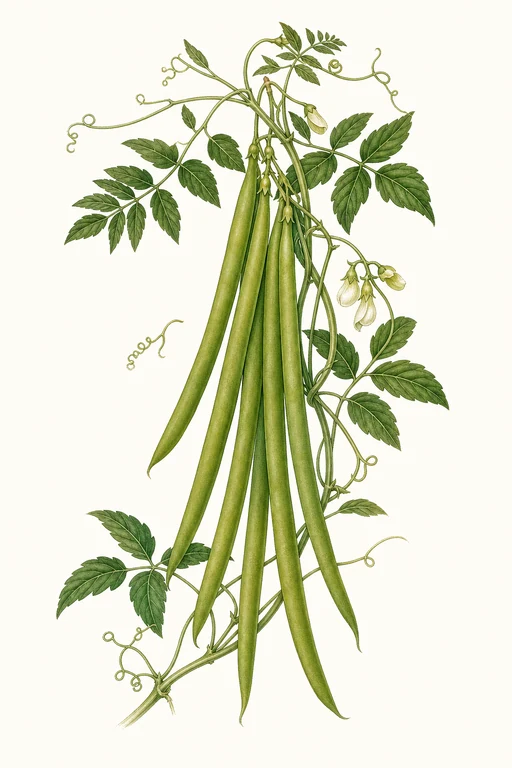
Stickless Wonder
Silky, ribbon-straight pods arrive with a tender snap and a clean, asparagus-like sweetness—so crisp and refined you’ll savor them at their peak.
“Stickless Wonder” is bred for notably low fiber and reduced stringiness, delivering smooth, uniform pods that stay pleasantly crisp through harvest windows. Ideal for quick stir-fries, fresh snacking, and vibrant sautés, these asparagus beans also shine when lightly pickled for a bright, garden-fresh bite.
Light: Full SunMaturity: 60 DaysHabit: Clumping
Planting schedules and alerts are optimized for Columbus (Zone 6b).
Crop Dates
| Milestone | Date |
|---|---|
| Start Indoors | Direct Sow |
| Last Frost | Apr 25th |
| Transplant / Sow Outdoors | Apr 25th |
| Harvest Begins | Jun 24th |
| Harvest Ends | Oct 16th |
Crop Details
| Trait | Value |
|---|---|
| Days to Maturity | 60 |
| Sun Requirements | Full Sun |
| Growth Habit | Clumping |
| Support Needed | Trellis |
| Planting Depth | Normal |
| Germination Temp (°F) | 70 |
| Min Soil Temp (°F) | 60 |
| Min Night Temp (°F) | 50 |
| Harden Off (days) | Not Required |
Culinary Notes

Chef's Note
“Stickless Wonder” is built to be eaten at full volume of crunch—its low fiber/stringiness means you can treat the pods like asparagus, not like a fussy green bean. Cook it quickly or pickle it, and it stays silky and snapping rather than turning chewy or fibrous.

Best Uses
- hot, fast stir-fries where you keep the snap (saute at high heat, minimal time)
- shallow sauté with garlic and chili for glossy, evenly cooked pods
- quick pickling for a bright, tangy crunch
- snackable raw/very lightly dressed pods that don’t turn stringy

Flavor Profile

Frequently Asked Questions
What pest or disease commonly affects Vigna sesquipedalis (asparagus bean), and what should I do if I see it?
How often should I water asparagus beans (Vigna sesquipedalis) during the main growing phase?
How can I tell when stickless wonder asparagus beans (Vigna sesquipedalis) are ready to harvest?
Sowing Tips

Transplant Conditions
Wait until soil reaches 60°F and nights stay above 50°F before moving outdoors.
Expert Note

For the best asparagus-bean pod quality, sow after soil warms and keep moisture even—avoid letting plants dry out during flowering and pod set.