
Sugar Lace
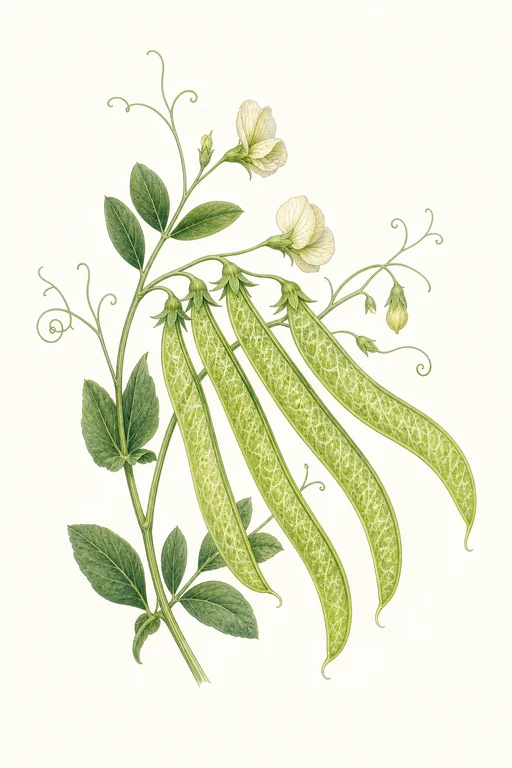
Sweet, lacy pods unfurl with a delicate crunch—Sugar Lace snap peas bring a bright, sugar-forward flavor wrapped in an airy, ribboned texture.
At maturity, the slender pods are tender and crisp, offering a satisfying snap that shines in fresh garden baskets and livens up quick sautés and stir-fries. Grow Sugar Lace for a long, productive harvest window and that unmistakable “just-picked” sweetness in every pod.
Light: Full SunMaturity: 60 DaysHabit: Clumping
Location not set yet
Location not set yet
Enter your ZIP for local crop dates
Sugar Lace Planting Dates by USDA Zone
Estimated US hardiness-zone windows for sow, transplant, and harvest. Enter a US ZIP above for exact local dates, or open a zone below.
| Zone | Start Indoors | Sow / Transplant | Harvest |
|---|---|---|---|
| Zone 1a | Protected Environment Only | ||
| Zone 1b | Direct Sow | Jun 1st | Jul 31st – Aug 1st |
| Zone 2a | Direct Sow | May 25th | Jul 24th – Aug 29th |
| Zone 2b | Direct Sow | May 15th | Jul 14th – Aug 25th |
| Zone 3a | Direct Sow | May 15th | Jul 14th – Sep 1st |
| Zone 3b | Direct Sow | May 19th | Jul 18th – Sep 21st |
| Zone 4a | Direct Sow | May 15th | Jul 14th – Sep 24th |
| Zone 4b | Direct Sow | May 13th | Jul 12th – Sep 27th |
| Zone 5a | Direct Sow | May 8th | Jul 7th – Sep 30th |
| Zone 5b | Direct Sow | May 4th | Jul 3rd – Oct 5th |
| Zone 6a | Direct Sow | May 1st | Jun 30th – Oct 10th |
| Zone 6b | Direct Sow | Apr 25th | Jun 24th – Oct 16th |
| Zone 7a | Direct Sow | Apr 20th | Jun 19th – Oct 20th |
| Zone 7b | Direct Sow | Apr 10th | Jun 9th – Oct 28th |
| Zone 8a | Direct Sow | Apr 1st | May 31st – Nov 5th |
| Zone 8b | Direct Sow | Mar 23rd | May 22nd – Nov 12th |
| Zone 9a | Direct Sow | Mar 6th | May 5th – Nov 26th |
| Zone 9b | Direct Sow | Feb 9th | Apr 10th – Dec 9th |
| Zone 10a | — | Oct 1st | Nov 30th – Feb 28th |
| Zone 10b | — | Oct 1st | Nov 30th – Feb 28th |
| Zone 11a | — | Oct 1st | Nov 30th – Feb 28th |
| Zone 11b | — | Oct 1st | Nov 30th – Feb 28th |
| Zone 12a | — | Oct 1st | Nov 30th – Feb 28th |
| Zone 12b | — | Oct 1st | Nov 30th – Feb 28th |
| Zone 13a | — | Oct 1st | Nov 30th – Feb 28th |
| Zone 13b | — | Oct 1st | Nov 30th – Feb 28th |
Crop Details
| Trait | Value |
|---|---|
| Days to Maturity | 60 |
| Sun Requirements | Full Sun |
| Growth Habit | Clumping |
| Support Needed | Trellis |
| Planting Depth | Normal |
| Germination Temp (°F) | 45 |
| Min Soil Temp (°F) | 40 |
| Min Night Temp (°F) | 28 |
| Harden Off (days) | Not Required |
Culinary Notes

Chef's Note
Sugar Lace pods taste like they’re still cooling in the shade—sweet, crisp, and ribbon-light, with a fresh-green edge that doesn’t need heavy cooking. Use fast heat or acidic finishes (lemon, soy) so the snap stays audible; if you overcook, it turns dull and slightly starchy.

Best Uses
- shower into salads and ceviche-style bowls for a loud, clean crunch
- quick sauté or stir-fry for 60–90 seconds—keep pods crisp, not stewed
- blanch and shock, then glaze with butter and a squeeze of lemon for a glossy, snappy side
- toss into hot rice/noodles at the end so they keep their ribboned bite

Flavor Profile

Frequently Asked Questions
What pest or disease is most likely on Pisum sativum var. macrocarpon (Sugar Lace), and how do I manage it?
How often should I water Sugar Lace during its main growing phase (around pod set)?
How can I tell when Sugar Lace (snap pea) is ready to harvest?
Sowing Tips

Transplant Conditions
Wait until soil reaches 40°F and nights stay above 28°F before moving outdoors.
Expert Note

Direct-sow as soon as soil is workable and keep plants cool for the sweetest pods.