
Superschmelz
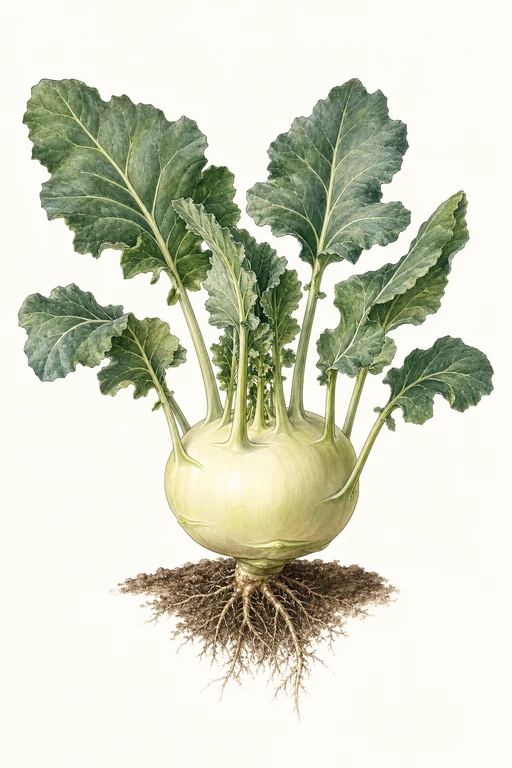
Sweetly nutty and delicately cabbage-bright, Superschmelz forms a smooth, globe-to-oval kohlrabi with a tender, crisp bite and a fine, juicy texture.
The flesh stays pleasantly mild as it matures, making it ideal for fresh slicing, quick roasting, and brightening into slaws and creamy sauces. Grow Superschmelz for a dependable, winter-ready harvest that keeps its flavor clean and satisfying from garden to table.
Light: Full SunMaturity: 70 DaysHabit: Rosette
Planting schedules and alerts are optimized for Columbus (Zone 6b).
Crop Dates
| Milestone | Date |
|---|---|
| Start Indoors | Mar 28th |
| Last Frost | Apr 25th |
| Transplant / Sow Outdoors | Apr 18th |
| Harvest Begins | Jun 27th |
| Harvest Ends | Oct 16th |
Crop Details
| Trait | Value |
|---|---|
| Days to Maturity | 70 |
| Sun Requirements | Full Sun |
| Growth Habit | Rosette |
| Support Needed | None |
| Planting Depth | Normal |
| Germination Temp (°F) | 45 |
| Min Soil Temp (°F) | 40 |
| Min Night Temp (°F) | 32 |
| Harden Off (days) | 6 |
Culinary Notes

Chef's Note
Superschmelz has that rare kohlrabi trait: nutty and sweet without turning aggressive or sulfurous, with a crisp bite that survives heat. Use it where you want cabbage brightness but a clean, mellow finish—thin, roast-hot, or blitzed into a silky sauce that tastes like winter comfort without heaviness.

Best Uses
- thin slices with salt and lemon for a crisp, high-contrast snack
- quick roast until edges caramelize while centers stay juicy
- shredded slaw that holds dressing without going woolly
- blended into a creamy sauce for a pale, veggie-forward puree

Flavor Profile

Frequently Asked Questions
What pest or disease problem commonly affects Brassica oleracea var. gongylodes (kohlrabi/Superschmelz), and how can I stop it?
How often should I water kohlrabi (Brassica oleracea var. gongylodes) during the main growing phase?
How do I tell when Superschmelz kohlrabi is ready to harvest?
Sowing Tips

Transplant Conditions
Wait until soil reaches 40°F and nights stay above 32°F before moving outdoors. Harden off for 6 days first.
Expert Note

For giant bulbs and tenderness, keep growth steady with consistent moisture and avoid letting plants stress in heat.