
Swiss Chard Neon Lights
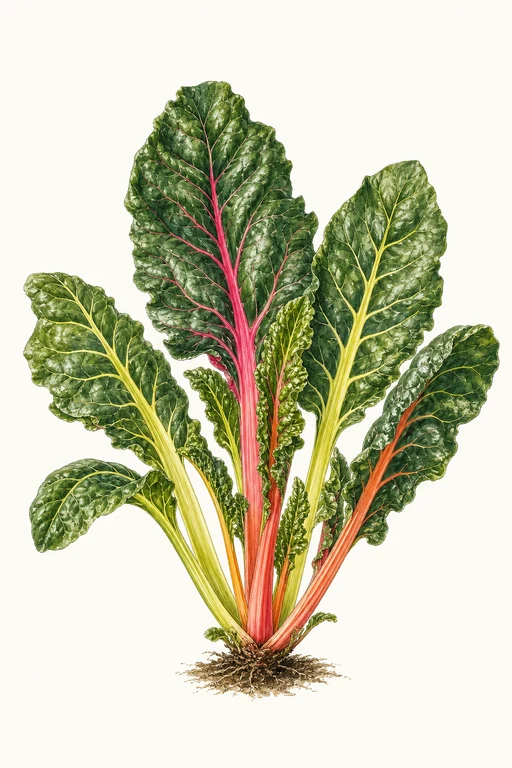
Electric stems glow in the garden—Swiss Chard ‘Neon Lights’ unfurls with vivid, candy-bright ribs that deepen from lime to hot magenta as the leaves mature.
Tender, succulent foliage carries a gentle, earthy sweetness with a crisp bite and a velvety surface that holds up beautifully in quick sautés and hearty braises, as well as fresh salads and vibrant sauces. Grow it for repeat harvests: snip outer leaves for a steady, colorful canopy that stays attractive well into the season.
Light: Full SunMaturity: 50 DaysHabit: Rosette
Planting schedules and alerts are optimized for Columbus (Zone 6b).
Crop Dates
| Milestone | Date |
|---|---|
| Start Indoors | Mar 28th |
| Last Frost | Apr 25th |
| Transplant / Sow Outdoors | Apr 18th |
| Harvest Begins | Jun 7th |
| Harvest Ends | Oct 16th |
Crop Details
| Trait | Value |
|---|---|
| Days to Maturity | 50 |
| Sun Requirements | Full Sun |
| Growth Habit | Rosette |
| Support Needed | None |
| Planting Depth | Normal |
| Germination Temp (°F) | 70 |
| Min Soil Temp (°F) | 40 |
| Min Night Temp (°F) | 28 |
| Harden Off (days) | 6 |
Culinary Notes

Chef's Note
Neon Lights chard earns its seat because the ribs deliver both color and a clean, crisp bite that survives heat without going stringy. Cook it hot-and-fast for snap or braise until the stems go silky, then balance the mild earth with acid and fat.

Best Uses
- quick sauté in a hot pan with garlic and a splash of lemon so the ribs stay snappy
- braise with olive oil and stock until the stems turn silky and the greens look lacquered
- toss raw leaves and sliced stems into salads for color and crunch under vinaigrette
- blend into a vivid green sauce or purée to gloss pasta, gnocchi, or eggs

Flavor Profile

Frequently Asked Questions
What pest or disease issue most commonly affects Beta vulgaris var. cicla (Swiss chard), and how do I treat it?
How often should I water Swiss chard during the main growing phase to keep it thriving?
How can I tell when Swiss chard (Beta vulgaris var. cicla) is ready to harvest?
Sowing Tips

Transplant Conditions
Wait until soil reaches 40°F and nights stay above 28°F before moving outdoors. Harden off for 6 days first.
Expert Note

For sweetest flavor and tender stems, keep plants evenly moist and harvest outer leaves regularly once they reach usable size.