
Tasty Green
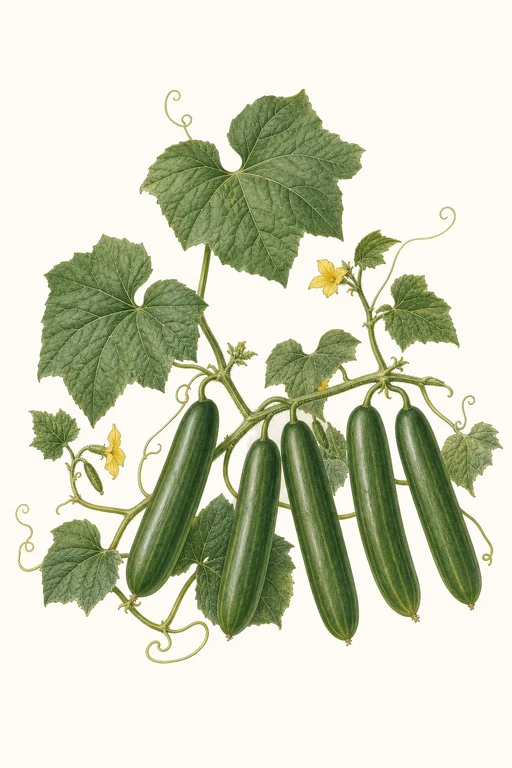
Cool-season gardens will love the crisp, cool crunch of Tasty Green—its burpless character brings a clean, mild flavor with a refreshing, watery snap.
Expect straight, evenly sized fruits with a tender, smooth skin that stays pleasantly crisp from the first harvest through repeat picking. Ideal for fresh slicing and bright summer salads, Tasty Green also shines when you want a gentle, non-bitter cucumber presence in quick pickles and zesty sauces.
Light: Full SunMaturity: 58 DaysHabit: Vine
Crop Dates : 8a
| Milestone | Date |
|---|---|
| Start Indoors | Direct Sow |
| Last Frost | Apr 1st |
| Transplant / Sow Outdoors | Apr 15th |
| Harvest Begins | Jun 12th |
| Harvest Ends | Nov 5th |
Crop Details
| Trait | Value |
|---|---|
| Days to Maturity | 58 |
| Sun Requirements | Full Sun |
| Growth Habit | Vine |
| Support Needed | Trellis |
| Planting Depth | Normal |
| Germination Temp (°F) | 70 |
| Min Soil Temp (°F) | 65 |
| Min Night Temp (°F) | 55 |
| Harden Off (days) | 10 |
Culinary Notes

Chef's Note
This burpless type is the go-to when you want cucumber to taste like water, not grass—clean, mild, and sharply crisp. It holds up in quick pickles and in creamy, tangy sauces because the flavor stays gentle instead of turning harsh.

Best Uses
- thin slicing for sourdough-and-butter sandwiches that don’t get soggy
- bright salad duty—stacked with citrus and a light vinaigrette
- quick pickles where you want snap without overpowering acidity
- zesty cucumber sauces (think yogurt or sour cream bases) where it stays cool and neutral

Flavor Profile

Frequently Asked Questions
What pest commonly affects Cucumis sativus, and how can I control it?
How often should I water Cucumis sativus during peak vine growth?
How can I tell when Cucumis sativus is ready to harvest?
Sowing Tips

Transplant Conditions
Wait until soil reaches 65°F and nights stay above 55°F before moving outdoors. Harden off for 10 days first.

Direct Sow Preferred
Sensitive roots — does not transplant well. If starting indoors, use biodegradable pots and disturb roots as little as possible when moving outdoors.
Expert Note

For burpless Japanese slicers, direct-sow once soil is warm and even night temperatures are settled; if starting early, use very minimal-root-disturbance transplants to avoid stunting.