
Tavera
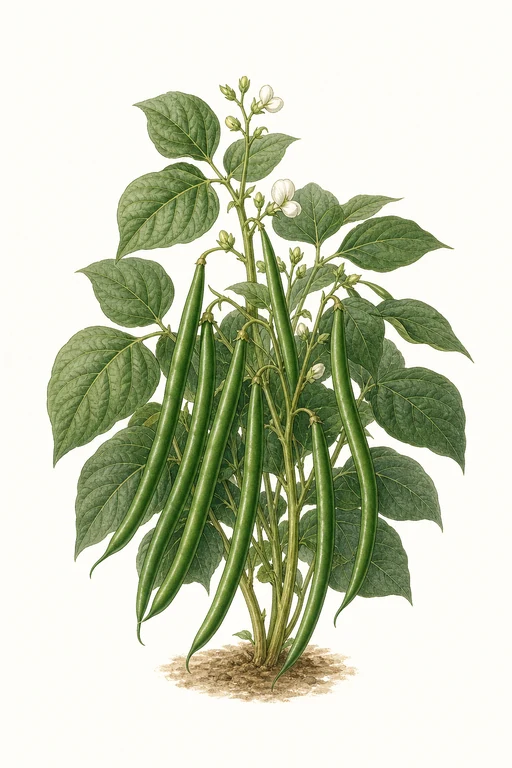
Tender, stringless pods of Tavera arrive with a vivid, fresh green glow and a crisp snap that begs to be savored at peak tenderness.
Expect a smooth, slender profile and a pleasantly meaty bite—ideal for roasting for caramelized edges, quick skillet sautéing, and vibrant fresh use in salads, as well as pickling for a bright, garden-sweet tang. With about 52 days to maturity, this bush bean is a reliable, high-yield favorite for gardeners who want dependable flavor and clean, uniform pods all season long.
Light: Full SunMaturity: 52 DaysHabit: Bush
Planting schedules and alerts are optimized for Columbus (Zone 6b).
Crop Dates
| Milestone | Date |
|---|---|
| Start Indoors | Direct Sow |
| Last Frost | Apr 25th |
| Transplant / Sow Outdoors | Apr 25th |
| Harvest Begins | Jun 16th |
| Harvest Ends | Oct 16th |
Crop Details
| Trait | Value |
|---|---|
| Days to Maturity | 52 |
| Sun Requirements | Full Sun |
| Growth Habit | Bush |
| Support Needed | None |
| Planting Depth | Normal |
| Germination Temp (°F) | 70 |
| Min Soil Temp (°F) | 55 |
| Min Night Temp (°F) | 50 |
| Harden Off (days) | Not Required |
Culinary Notes

Chef's Note
Tavera is a stringless bush bean built for eating immediately—its crisp-tender meat stays toothsome in fast heat, so it won’t turn mushy waiting in the pan. Roast it hot for caramelized edges or pickle it briefly to lock in that bright, garden-sweet snap.

Best Uses
- hot skillet sauté with garlic and a splash of stock for glossy, evenly tender beans
- roasting at high heat for caramelized edges and deeper toasted notes
- tossing into fresh salads with lemony vinaigrette so the pods hold crunch
- quick pickling for bright, sweet-tang snap

Flavor Profile

Frequently Asked Questions
What pest or disease most often hits Phaseolus vulgaris (bush beans), and how can I manage it at home?
How often should I water Kentucky Wonder type bush beans (Phaseolus vulgaris) during the main growing phase?
How do I tell when Phaseolus vulgaris bush beans are ready to harvest?
Sowing Tips

Transplant Conditions
Wait until soil reaches 55°F and nights stay above 50°F before moving outdoors.
Expert Note

Direct-sow bush beans after soil warms and keep moisture steady until emergence to avoid misshapen pods and uneven stands.