
Tavor
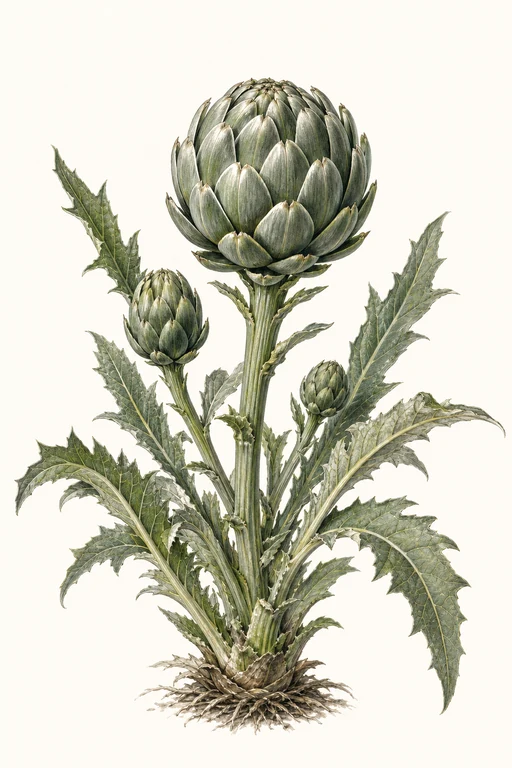
Tavor artichokes open to reveal a lush, deeply flavored heart with a tender, meaty bite and a gently nutty finish.
The heads form with an elegant, tightly layered crown—silky bracts that roast beautifully to a golden, caramel-leaning sweetness while staying pleasantly succulent. Grow Tavor for a long-season harvest of substantial, showy artichokes that shine in fresh preparations, savory sauces, and quick pickling for bright, tangy contrast.
Light: Full SunMaturity: 120 DaysHabit: Upright
Planting schedules and alerts are optimized for Columbus (Zone 6b).
Crop Dates
| Milestone | Date |
|---|---|
| Start Indoors | Direct Sow |
| Last Frost | Apr 25th |
| Transplant / Sow Outdoors | Apr 25th |
| Harvest Begins | Aug 23rd |
| Harvest Ends | Oct 16th |
Crop Details
| Trait | Value |
|---|---|
| Days to Maturity | 120 |
| Sun Requirements | Full Sun |
| Growth Habit | Upright |
| Support Needed | None |
| Planting Depth | Normal |
| Germination Temp (°F) | 70 |
| Min Soil Temp (°F) | 45 |
| Min Night Temp (°F) | 35 |
| Harden Off (days) | 7 |
Culinary Notes

Chef's Note
Tavor artichokes have that showy, tightly layered bract structure that roasts into golden, caramel-leaning edges without drying out the heart. Choose them when you want the full meaty bite plus nutty bitterness—then sharpen it with lemon or capers so it tastes vivid, not flat.

Best Uses
- hot roast until the bracts go golden and the heart turns succulent
- fresh lemon-garlic braise or quick steam with a sharp, glossy emulsion
- savory sauces where bitterness needs smoothing (cream, tahini, or butter)
- quick pickling for tangy, crunchy contrast

Flavor Profile

Frequently Asked Questions
What pest or disease commonly affects artichokes (Cynara scolymus), and how do I treat it?
How often should I water Cynara scolymus during its main growth phase?
How can I tell when Cynara scolymus is ready to harvest?
Sowing Tips

Transplant Conditions
Wait until soil reaches 45°F and nights stay above 35°F before moving outdoors. Harden off for 7 days first.
Expert Note

In cooler regions, start from seed indoors early and transplant after frost when the plant is actively growing; mulch heavily to protect crowns in winter.