
Tendergreen
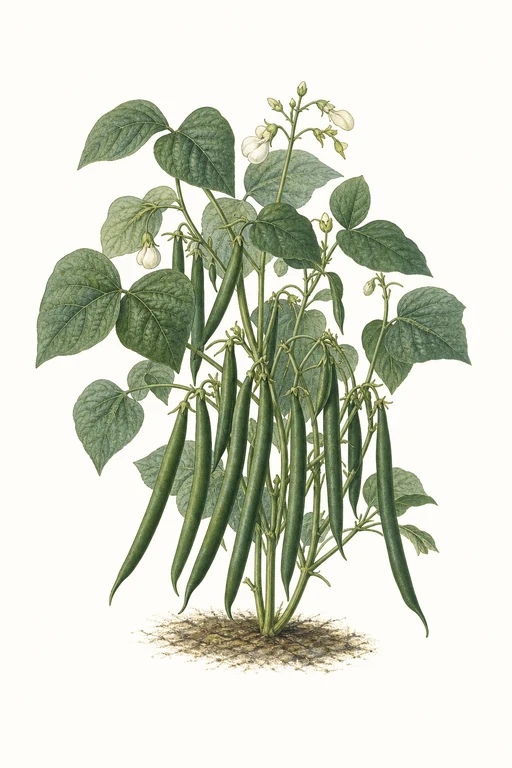
Tendergreen bush beans arrive with a crisp, tender snap and a lush, garden-fresh flavor that feels sweet even before the first bite.
The slender pods hold their deep green color and stay pleasantly succulent through the cool-season stretch, making them ideal for quick-roasting, fresh steaming, and vibrant stir-fries, as well as pickling for a tangy pantry crunch. Grow Tendergreen for a steady harvest rhythm—uniform pods, minimal fuss, and maximum satisfaction from the first picking onward.
Light: Full SunMaturity: 50 DaysHabit: Bush
Planting schedules and alerts are optimized for Columbus (Zone 6b).
Crop Dates
| Milestone | Date |
|---|---|
| Start Indoors | Direct Sow |
| Last Frost | Apr 25th |
| Transplant / Sow Outdoors | Apr 25th |
| Harvest Begins | Jun 14th |
| Harvest Ends | Oct 16th |
Crop Details
| Trait | Value |
|---|---|
| Days to Maturity | 50 |
| Sun Requirements | Full Sun |
| Growth Habit | Bush |
| Support Needed | None |
| Planting Depth | Normal |
| Germination Temp (°F) | 75 |
| Min Soil Temp (°F) | 60 |
| Min Night Temp (°F) | 55 |
| Harden Off (days) | Not Required |
Culinary Notes

Chef's Note
Tendergreen’s real superpower is that crisp snap—there’s enough sweetness to stand up fast-cooking without turning starchy or dull. Treat them like a timing ingredient: high heat for color, quick toss with acid or fat, and you’ll keep that juicy bite from start to finish.

Best Uses
- quick-roast at high heat for browned edges while staying crisp
- fresh steaming and tossing with browned butter and lemon
- stir-fry where they stay snappy (no long-cook limpness)
- quick pickle for a bright, tangy crunch

Flavor Profile

Frequently Asked Questions
What pests or diseases commonly affect Phaseolus vulgaris (green beans like Tendergreen), and how can I treat them?
How often should I water Phaseolus vulgaris during the main growing phase (while it’s flowering and setting pods)?
How do I know when Tendergreen green beans (Phaseolus vulgaris) are ready to harvest?
Sowing Tips

Transplant Conditions
Wait until soil reaches 60°F and nights stay above 55°F before moving outdoors.
Expert Note

Direct-sow Tendergreen Improved after soil has warmed, keeping seed depth consistent and watering evenly until emergence for the most uniform pod set.