
Tomis
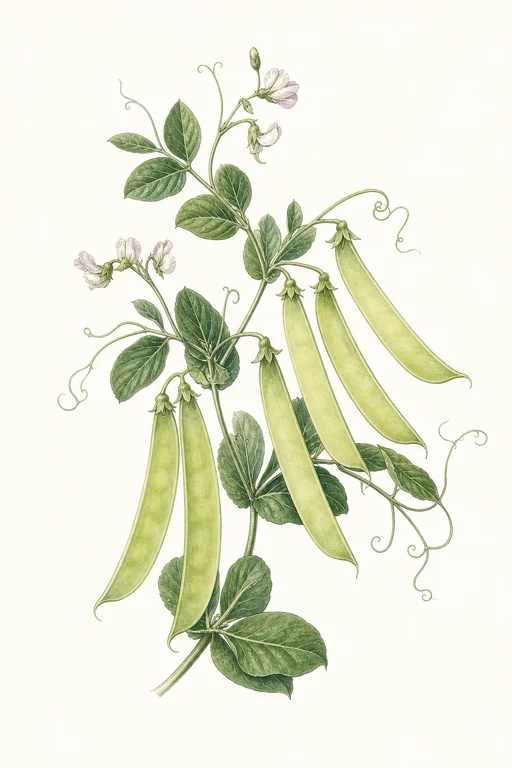
Sweetly fragrant at first glance, Tomis snow peas unfurl into tender, ribbon-thin pods that stay crisp and succulent through harvest.
Their flavor is bright and gently sweet, with a clean snap and a delicate, garden-fresh texture that shines in quick, vibrant preparations—stir-fries, steaming, and fresh tosses alike. Grow Tomis for a steady, early-to-midseason yield of elegant pods that look as good as they taste on the plate.
Light: Full SunMaturity: 55 DaysHabit: Bush
Location not set yet
Location not set yet
Enter your ZIP for local crop dates
Tomis Planting Dates by USDA Zone
Estimated US hardiness-zone windows for sow, transplant, and harvest. Enter a US ZIP above for exact local dates, or open a zone below.
| Zone | Start Indoors | Sow / Transplant | Harvest |
|---|---|---|---|
| Zone 1a | Protected Environment Only | ||
| Zone 1b | Direct Sow | Jun 1st | Jul 26th – Aug 1st |
| Zone 2a | Direct Sow | May 25th | Jul 19th – Aug 29th |
| Zone 2b | Direct Sow | May 15th | Jul 9th – Aug 25th |
| Zone 3a | Direct Sow | May 15th | Jul 9th – Sep 1st |
| Zone 3b | Direct Sow | May 19th | Jul 13th – Sep 21st |
| Zone 4a | Direct Sow | May 15th | Jul 9th – Sep 24th |
| Zone 4b | Direct Sow | May 13th | Jul 7th – Sep 27th |
| Zone 5a | Direct Sow | May 8th | Jul 2nd – Sep 30th |
| Zone 5b | Direct Sow | May 4th | Jun 28th – Oct 5th |
| Zone 6a | Direct Sow | May 1st | Jun 25th – Oct 10th |
| Zone 6b | Direct Sow | Apr 25th | Jun 19th – Oct 16th |
| Zone 7a | Direct Sow | Apr 20th | Jun 14th – Oct 20th |
| Zone 7b | Direct Sow | Apr 10th | Jun 4th – Oct 28th |
| Zone 8a | Direct Sow | Apr 1st | May 26th – Nov 5th |
| Zone 8b | Direct Sow | Mar 23rd | May 17th – Nov 12th |
| Zone 9a | Direct Sow | Mar 6th | Apr 30th – Nov 26th |
| Zone 9b | Direct Sow | Feb 9th | Apr 5th – Dec 9th |
| Zone 10a | Continuous Production | ||
| Zone 10b | Continuous Production | ||
| Zone 11a | Continuous Production | ||
| Zone 11b | Continuous Production | ||
| Zone 12a | Continuous Production | ||
| Zone 12b | Continuous Production | ||
| Zone 13a | Continuous Production | ||
| Zone 13b | Continuous Production | ||
Crop Details
| Trait | Value |
|---|---|
| Days to Maturity | 55 |
| Sun Requirements | Full Sun |
| Growth Habit | Bush |
| Support Needed | Trellis |
| Planting Depth | Normal |
| Germination Temp (°F) | 45 |
| Min Soil Temp (°F) | 40 |
| Min Night Temp (°F) | 28 |
| Harden Off (days) | Not Required |
Culinary Notes

Chef's Note
Tomis snow peas are built for speed: their ribbon-thin pods keep a clean crunch and a subtle sweetness even when they hit a hot pan for just long enough. If you overcook them, the snap collapses—so use fast heat, a light sauce, and finish with something acidic or buttery to make them pop.

Best Uses
- quick wok stir-fries with high heat—pods should stay snappy, not steamed-soft
- 10-second steam then toss with butter or olive oil to glaze
- cold or room-temp salad tosses where they hold crunch under vinaigrette

Flavor Profile

Frequently Asked Questions
What’s the most common disease to watch for on Pisum sativum var. saccharatum (sugar snap “tomis”), and how do I manage it?
How often should I water sugar snap peas (Pisum sativum var. saccharatum) during the main growing phase?
How can I tell when tomis (sugar snap peas; Pisum sativum var. saccharatum) are ready to harvest?
Sowing Tips

Transplant Conditions
Wait until soil reaches 40°F and nights stay above 28°F before moving outdoors.
Expert Note

Snow peas (including dwarf types) perform best when direct-sown as soon as the soil can be worked, because transplanting commonly damages roots and reduces yield.