
Top Bunch 2.0
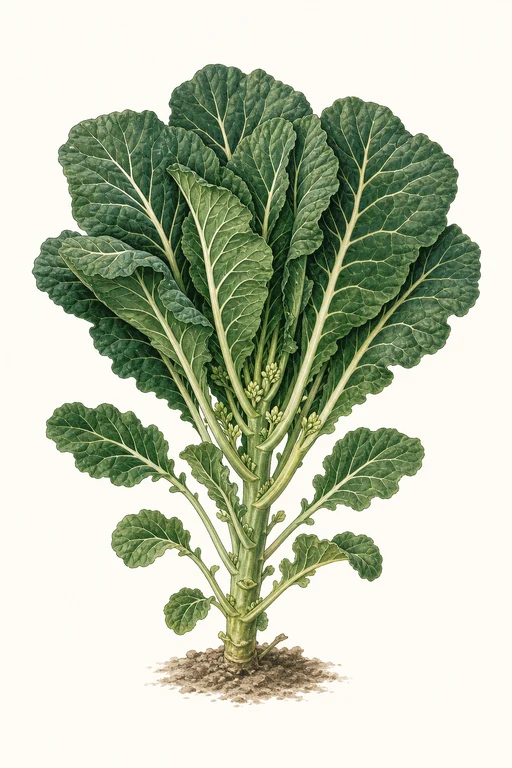
Tender, deeply veined collard leaves unfurl with a lush, upright “top bunch” habit—rich, cool-green foliage that tastes boldly savory and pleasantly sweet.
At maturity, the leaves hold a satisfying, meaty bite rather than turning tough, making Top Bunch 2.0 a standout for hearty greens in warm-season gardens. Grow it for dependable harvests from the crown—ideal for steaming, braising, and simmering into robust sauces, or for quick pickling-style tang when you want bright, leafy flavor.
Light: Full SunMaturity: 55 DaysHabit: Rosette
Planting schedules and alerts are optimized for Columbus (Zone 6b).
Crop Dates
| Milestone | Date |
|---|---|
| Start Indoors | Mar 28th |
| Last Frost | Apr 25th |
| Transplant / Sow Outdoors | Apr 25th |
| Harvest Begins | Jun 19th |
| Harvest Ends | Oct 16th |
Crop Details
| Trait | Value |
|---|---|
| Days to Maturity | 55 |
| Sun Requirements | Full Sun |
| Growth Habit | Rosette |
| Support Needed | None |
| Planting Depth | Normal |
| Germination Temp (°F) | 45 |
| Min Soil Temp (°F) | 40 |
| Min Night Temp (°F) | 30 |
| Harden Off (days) | 6 |
Culinary Notes

Chef's Note
Top Bunch 2.0 keeps its meaty chew even as it matures, so it doesn’t collapse into laundry when you braise—it stays leafy and toothsome. Use acidic punch (lemon or vinegar) near the end to sharpen the cool-green sweetness and keep that peppery edge clean.

Best Uses
- steam and finish with lemony butter—keeps the bite from going sulfur-y
- braise low and long with a salty pork or smoked base for a silky, clingy pot-liquor
- simmer into thick greens-forward sauces for pasta or rice (stays substantial, not stringy)
- quick pickling-style tang (slice thin and brine briefly) for snappy leafy crunch

Flavor Profile

Frequently Asked Questions
How do I manage aphids or cabbage loopers on Brassica oleracea (flash collards) without harming new growth?
What soil moisture level should I maintain for Brassica oleracea during the main 40–55 day growing window?
When are flash collards (Brassica oleracea) ready to harvest, and what signs should I look for?
Sowing Tips

Transplant Conditions
Wait until soil reaches 40°F and nights stay above 30°F before moving outdoors. Harden off for 6 days first.
Expert Note

Start in cool conditions and transplant to steady growth before the longest summer heat to maximize leaf production and limit bitterness even with bolt resistance.