
Top Pick Pinkeye
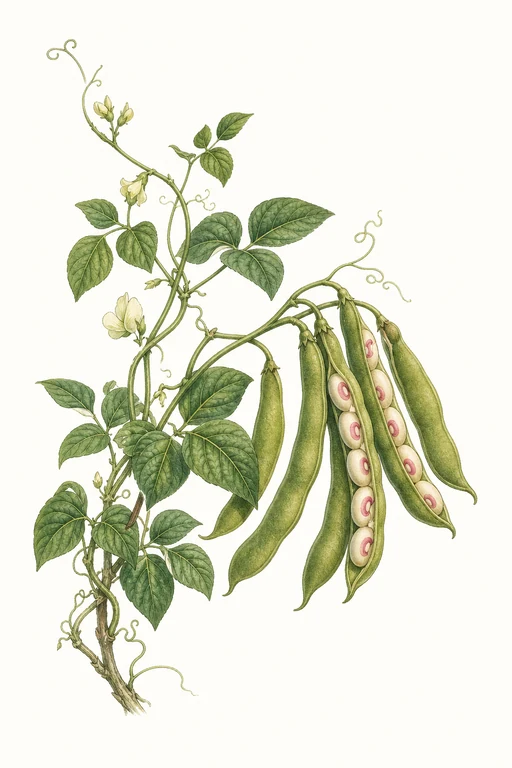
Sweetly fragrant blossoms give way to Top Pick Pinkeye’s creamy, tender pods and the signature beans—ivory to pale cream with a bold, rosy “pinkeye” blaze.
The texture is pleasantly smooth and succulent, with a gentle snap when young and a comforting, hearty bite when fully developed. Ideal for fresh shelling and quick simmering, Top Pick Pinkeye also shines in vibrant bean salads and boldly flavored sauces where its rosy markings stay beautifully distinct.
Light: Full SunMaturity: 55 DaysHabit: Bush
Planting schedules and alerts are optimized for Columbus (Zone 6b).
Crop Dates
| Milestone | Date |
|---|---|
| Start Indoors | Direct Sow |
| Last Frost | Apr 25th |
| Transplant / Sow Outdoors | Apr 25th |
| Harvest Begins | Jun 19th |
| Harvest Ends | Oct 16th |
Crop Details
| Trait | Value |
|---|---|
| Days to Maturity | 55 |
| Sun Requirements | Full Sun |
| Growth Habit | Bush |
| Support Needed | Upright |
| Planting Depth | Normal |
| Germination Temp (°F) | 70 |
| Min Soil Temp (°F) | 60 |
| Min Night Temp (°F) | 55 |
| Harden Off (days) | Not Required |
Culinary Notes

Chef's Note
Top Pick Pinkeye’s young beans and pods cook up creamy-tender but still hold shape, so you get a clean snap early and a comforting bite later. Use it where you want its rosy “pinkeye” marks to stay visible—think quick simmer or glossy vinaigrette rather than long, aggressive stew reductions.

Best Uses
- fresh shelling for quick simmered beans that stay intact
- fast stir-fry of young pods with garlic and chile for crisp-tender bite
- vibrant bean salads where the cream-and-rose look holds up under vinaigrettes
- boldly flavored creamy sauces where the beans thicken gently

Flavor Profile

Frequently Asked Questions
What pests or diseases commonly affect cowpeas (Vigna unguiculata), and what should I do if I see them?
How often should I water cowpeas during the main growing phase (about weeks 2–6)?
How can I tell when Top Pick Pinkeye cowpeas are ready to harvest?
Sowing Tips

Transplant Conditions
Wait until soil reaches 60°F and nights stay above 55°F before moving outdoors.
Expert Note

Direct-sow cowpea only after warm soil has arrived, since cowpeas are legumes with taproots that transplant poorly and cold soils delay emergence.