
Tricolor
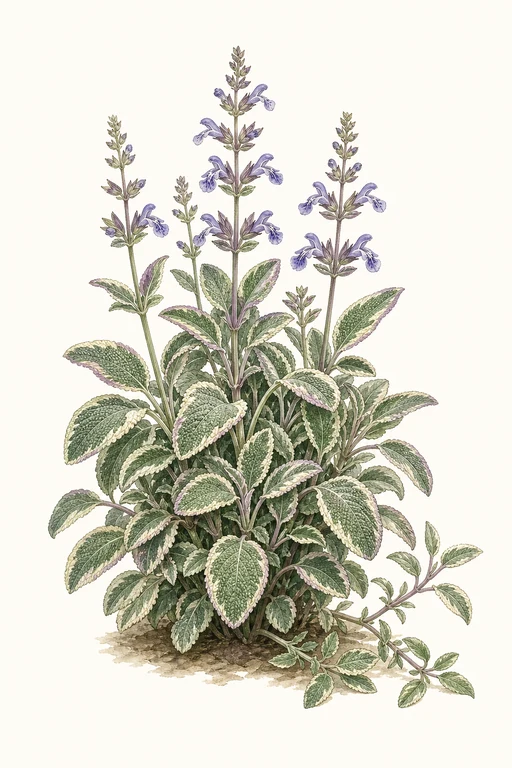
Fragrant, soft-gray leaves are edged in creamy white and brushed through with warm lavender tones, creating a living tricolor that feels as luminous as it is aromatic.
Tricolor sage forms an upright, tidy mound with a velvety texture and a distinctive, herbaceous flavor profile that shines in fragrant roasts, savory sauces, and infused vinegars—also lovely for fresh snipping and drying. Grow it for a garden centerpiece that rewards you with bold color and a steady stream of bloom-ready stems over the season.
Light: Full SunMaturity: 75 DaysHabit: Upright
Location not set yet
Location not set yet
Enter your ZIP for local crop dates
Tricolor Planting Dates by USDA Zone
Estimated US hardiness-zone windows for sow, transplant, and harvest. Enter a US ZIP above for exact local dates, or open a zone below.
| Zone | Start Indoors | Sow / Transplant | Harvest |
|---|---|---|---|
| Zone 1a | Protected Environment Only | ||
| Zone 1b | Protected Environment Only | ||
| Zone 2a | Mar 30th | May 25th | Aug 8th – Aug 29th |
| Zone 2b | Mar 20th | May 15th | Jul 29th – Aug 25th |
| Zone 3a | Mar 20th | May 15th | Jul 29th – Sep 1st |
| Zone 3b | Mar 24th | May 19th | Aug 2nd – Sep 21st |
| Zone 4a | Mar 20th | May 15th | Jul 29th – Sep 24th |
| Zone 4b | Mar 18th | May 13th | Jul 27th – Sep 27th |
| Zone 5a | Mar 13th | May 8th | Jul 22nd – Sep 30th |
| Zone 5b | Mar 9th | May 4th | Jul 18th – Oct 5th |
| Zone 6a | Mar 6th | May 1st | Jul 15th – Oct 10th |
| Zone 6b | Feb 28th | Apr 25th | Jul 9th – Oct 16th |
| Zone 7a | Feb 23rd | Apr 20th | Jul 4th – Oct 20th |
| Zone 7b | Feb 13th | Apr 10th | Jun 24th – Oct 28th |
| Zone 8a | Feb 4th | Apr 1st | Jun 15th – Nov 5th |
| Zone 8b | Jan 26th | Mar 23rd | Jun 6th – Nov 12th |
| Zone 9a | Jan 9th | Mar 6th | May 20th – Nov 26th |
| Zone 9b | Dec 15th | Feb 9th | Apr 25th – Dec 9th |
| Zone 10a | — | Oct 1st | Dec 15th – Feb 28th |
| Zone 10b | — | Oct 1st | Dec 15th – Feb 28th |
| Zone 11a | — | Oct 1st | Dec 15th – Feb 28th |
| Zone 11b | — | Oct 1st | Dec 15th – Feb 28th |
| Zone 12a | — | Oct 1st | Dec 15th – Feb 28th |
| Zone 12b | — | Oct 1st | Dec 15th – Feb 28th |
| Zone 13a | — | Oct 1st | Dec 15th – Feb 28th |
| Zone 13b | — | Oct 1st | Dec 15th – Feb 28th |
Crop Details
| Trait | Value |
|---|---|
| Days to Maturity | 75 |
| Sun Requirements | Full Sun |
| Growth Habit | Upright |
| Support Needed | None |
| Planting Depth | Surface |
| Germination Temp (°F) | 70 |
| Min Soil Temp (°F) | 50 |
| Min Night Temp (°F) | 40 |
| Harden Off (days) | 7 |
Culinary Notes

Chef's Note
Tricolor sage is all about aroma-first flavor: the leaves are tender and velvety, so use them with heat that’s quick or off-heat to keep the lavender-sage lift from going sharp. It’s a natural fit for fats and acids—infuse the butter or oil, then brighten with lemon or wine so the herb reads clean, not swampy.

Best Uses
- fragrant oil or brown-butter infusions where the color fades into the fat and the aroma holds
- savory pan sauces for chicken, pork, and mushrooms—stir in off-heat for a clean herbal top note
- infused vinegars for vinaigrettes; steep briefly so it stays bright rather than medicinal
- fresh snipping on warm beans or roasted squash where the leaf keeps its texture

Flavor Profile

Frequently Asked Questions
Why are my Salvia officinalis (tricolor sage) leaves turning brown or developing spots, and what should I do?
How often should I water tricolor sage during the main growing period (around the first 8–10 weeks)?
How do I tell when my tricolor sage is ready to harvest (Salvia officinalis), and how should I pick?
Sowing Tips

Transplant Conditions
Wait until soil reaches 50°F and nights stay above 40°F before moving outdoors. Harden off for 7 days first.
Expert Note

Sow lightly (or surface-sow) and keep moisture even; transplant only after nights are reliably mild for best survival.