
True Red Cranberry
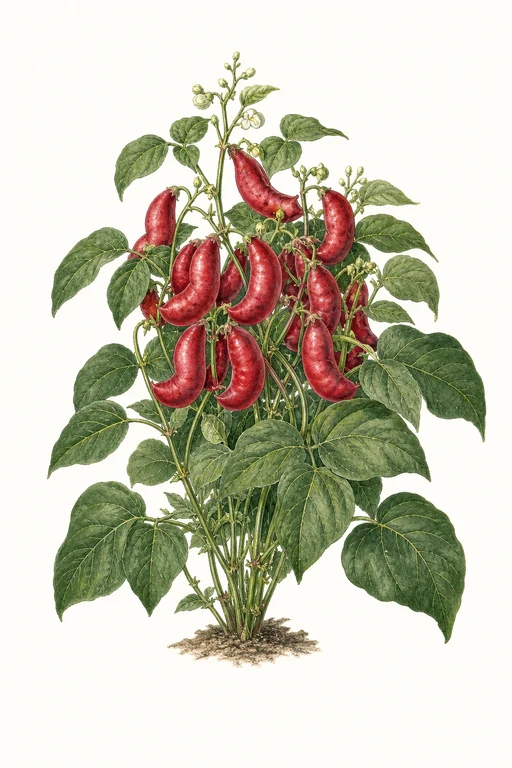
Velvety pods in a true, saturated red—so vivid they seem to glow against the foliage—are the signature of True Red Cranberry.
Tender and crisp with a fine, snap-forward texture, these bush beans deliver a sweet-bean flavor that shines whether you savor them fresh or let them become the star of your favorite warm dishes, from sautéed sides to vibrant sauces and pickled accents.
Light: Full SunMaturity: 55 DaysHabit: Bush
Planting schedules and alerts are optimized for Columbus (Zone 6b).
Crop Dates
| Milestone | Date |
|---|---|
| Start Indoors | Direct Sow |
| Last Frost | Apr 25th |
| Transplant / Sow Outdoors | Apr 25th |
| Harvest Begins | Jun 19th |
| Harvest Ends | Oct 16th |
Crop Details
| Trait | Value |
|---|---|
| Days to Maturity | 55 |
| Sun Requirements | Full Sun |
| Growth Habit | Bush |
| Support Needed | None |
| Planting Depth | Normal |
| Germination Temp (°F) | 70 |
| Min Soil Temp (°F) | 60 |
| Min Night Temp (°F) | 40 |
| Harden Off (days) | Not Required |
Culinary Notes

Chef's Note
These “cranberry” red pods cook fast and keep their snap—ideal when you want sweetness without the grainy collapse of older green beans. The color and crispness make them showy in quick sauté pans, where they take on browned-butter nuttiness and a bright lemon finish without losing structure.

Best Uses
- quick sautéed sides where the pods keep a glassy crunch
- blanch-and-chill bean salads that hold dressing without turning mushy
- light pan sauces (butter, shallot, lemon) that cling to the pod

Flavor Profile

Frequently Asked Questions
What pest or disease issue is most common on Phaseolus vulgaris (true red cranberry bean), and how can I fix it?
How often should I water Phaseolus vulgaris during the main growing phase?
How do I know when true red cranberry beans (Phaseolus vulgaris) are ready to harvest?
Sowing Tips

Transplant Conditions
Wait until soil reaches 60°F and nights stay above 40°F before moving outdoors.
Expert Note

Direct sow after soil warms, keep seedbed evenly moist until emergence, then water consistently to avoid pod abortion.