
Tsakoniki
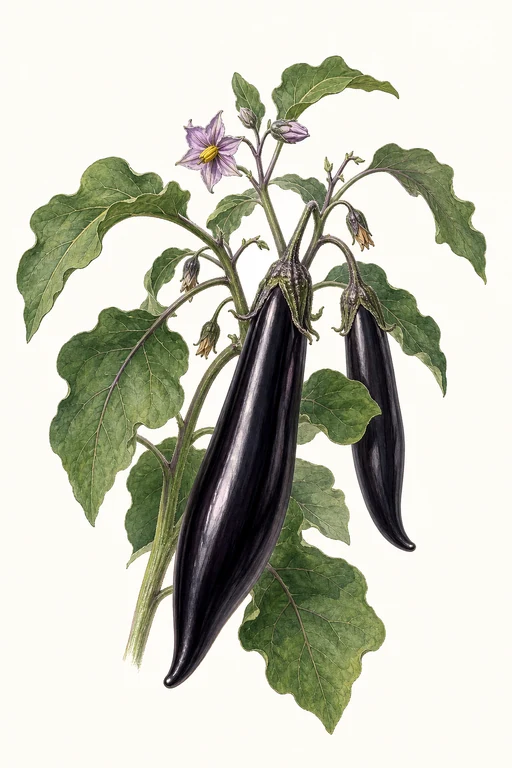
Sink your senses into Tsakoniki’s aromatic allure—its skin carries a glossy, inky purple sheen over a gently tapered form that feels silky-smooth to the touch.
The flesh is creamy and tender with a refined, savory depth, making it a standout for roasting until meltingly soft, as well as for bold sauces and Mediterranean-style preparations where its fragrance can shine. Grow Tsakoniki for a specialty eggplant harvest that looks as luxurious as it tastes—ideal for gardeners seeking something distinctive at the market table.
Light: Full SunMaturity: 80 DaysHabit: Indeterminate
Planting schedules and alerts are optimized for Columbus (Zone 6b).
Crop Dates
| Milestone | Date |
|---|---|
| Start Indoors | Mar 7th |
| Last Frost | Apr 25th |
| Transplant / Sow Outdoors | Jun 20th |
| Harvest Begins | Sep 8th |
| Harvest Ends | Oct 16th |
Crop Details
| Trait | Value |
|---|---|
| Days to Maturity | 80 |
| Sun Requirements | Full Sun |
| Growth Habit | Indeterminate |
| Support Needed | Stake |
| Planting Depth | Normal |
| Germination Temp (°F) | 80 |
| Min Soil Temp (°F) | 60 |
| Min Night Temp (°F) | 50 |
| Harden Off (days) | 10 |
Culinary Notes

Chef's Note
Tsakoniki’s aromatic profile and custardy interior make it a spoonable, not-a-chunk eggplant—ideal when you want it to melt into something cohesive. Use strong fats and bright acid (olive oil, lemon, yogurt) to lift its smoky savory fragrance and keep the finish clean.

Best Uses
- hot roasting until the flesh turns custardy and easily spoonable
- char-grilling for smoky, jammy interiors
- Mediterranean-style spreads and dips where it breaks down into a smooth base
- thick, reduce-and-simmer sauces that cling instead of watery thinning

Flavor Profile

Frequently Asked Questions
How do I prevent and manage early blight or wilt on Solanum melongena (eggplant) in my garden?
How often should I water eggplant (Solanum melongena) during the main growing phase?
When are Tsakoniki eggplant fruits ready to harvest (Solanum melongena)?
Sowing Tips

Transplant Conditions
Wait until soil reaches 60°F and nights stay above 50°F before moving outdoors. Harden off for 10 days first.
Expert Note

Start plants early but transplant only when soil is reliably warm (≥60°F) and night air stays around 50°F+ to avoid cold-stress on this tender eggplant.