
UC 157
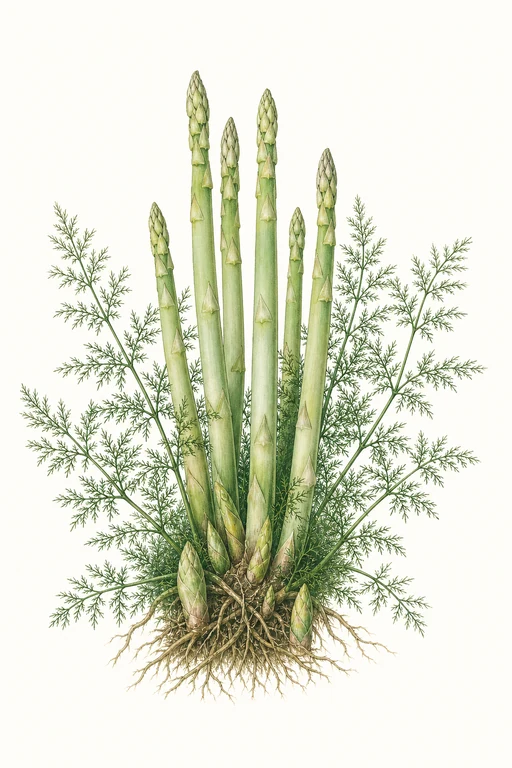
Tender spears emerge with a refined, sweet-green allure—UC 157 delivers a steady harvest of straight, uniform shoots that feel crisp and succulent at first bite.
The texture is notably firm yet yielding, with a clean, asparagus-forward flavor that stands up beautifully in both quick roasts and bright fresh preparations. Grow UC 157 for a long-lived bed that rewards patience with elegant spears season after season.
Light: Full SunMaturity: 730 DaysHabit: Perennial_Crown
Planting schedules and alerts are optimized for Columbus (Zone 6b).
Crop Dates
| Milestone | Date |
|---|---|
| Last Frost | Apr 25th |
| Growing Approach | Protected Environment Only |
Crop Details
| Trait | Value |
|---|---|
| Days to Maturity | 730 |
| Sun Requirements | Full Sun |
| Growth Habit | Perennial_Crown |
| Support Needed | None |
| Planting Depth | Normal |
| Germination Temp (°F) | 70 |
| Min Soil Temp (°F) | 50 |
| Min Night Temp (°F) | 32 |
| Harden Off (days) | 7 |
Culinary Notes

Chef's Note
UC 157’s spears are built for eating at crisp-tender—firm enough to hold a fast sear, sweet enough that lemon and butter don’t fight them. When you keep the cook time short, the flavor stays asparagus-forward and doesn’t turn starchy or stringy.

Best Uses
- hot-fast roast where tips brown while stalks stay crisp-tender
- shave or quick-steam and finish with lemon/butter for a bright, tight bite
- grill or sear and serve with a peppery vinaigrette to highlight char sweetness
- fold into omelets or frittatas for a clean, non-mushy green texture

Flavor Profile

Frequently Asked Questions
What’s the most common asparagus pest or disease, and how can I manage it at home?
How often should I water asparagus during the main growing phase, and what soil moisture level should I aim for?
How do I tell when Asparagus officinalis spears are ready to harvest?
Sowing Tips

Transplant Conditions
Wait until soil reaches 50°F and nights stay above 32°F before moving outdoors. Harden off for 7 days first.
Expert Note

Start asparagus crowns/seed in a weed-free bed and plan for light harvest only after the spears establish for 2–3 seasons.