
Valmaine
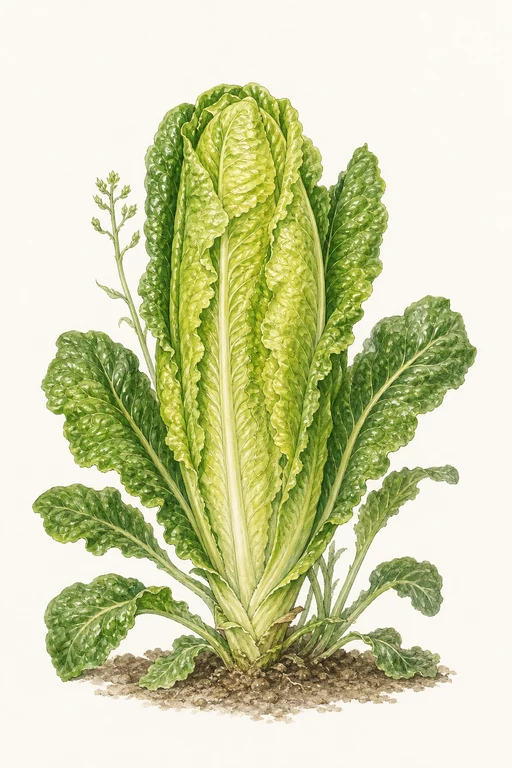
Crisp, cool crunch begins at first bite—Valmaine romaine forms tight, upright heads with a refreshing, gently sweet leaf flavor and a clean, succulent texture.
The leaves stay tender and pleasantly resilient, making them ideal for fresh salads and bright, leafy platters where you want body without bitterness. Grow Valmaine for a dependable 70-day rhythm and a garden-to-table harvest that looks as good as it tastes.
Light: Part SunMaturity: 70 DaysHabit: Rosette
Location not set yet
Location not set yet
Enter your ZIP for local crop dates
Valmaine Planting Dates by USDA Zone
Estimated US hardiness-zone windows for sow, transplant, and harvest. Enter a US ZIP above for exact local dates, or open a zone below.
| Zone | Start Indoors | Sow / Transplant | Harvest |
|---|---|---|---|
| Zone 1a | Protected Environment Only | ||
| Zone 1b | Protected Environment Only | ||
| Zone 2a | Apr 27th | May 25th | Aug 3rd – Aug 29th |
| Zone 2b | Apr 17th | May 15th | Jul 24th – Aug 25th |
| Zone 3a | Apr 17th | May 15th | Jul 24th – Sep 1st |
| Zone 3b | Apr 21st | May 19th | Jul 28th – Sep 21st |
| Zone 4a | Apr 17th | May 15th | Jul 24th – Sep 24th |
| Zone 4b | Apr 15th | May 13th | Jul 22nd – Sep 27th |
| Zone 5a | Apr 10th | May 8th | Jul 17th – Sep 30th |
| Zone 5b | Apr 6th | May 4th | Jul 13th – Oct 5th |
| Zone 6a | Apr 3rd | May 1st | Jul 10th – Oct 10th |
| Zone 6b | Mar 28th | Apr 25th | Jul 4th – Oct 16th |
| Zone 7a | Mar 23rd | Apr 20th | Jun 29th – Oct 20th |
| Zone 7b | Mar 13th | Apr 10th | Jun 19th – Oct 28th |
| Zone 8a | Mar 4th | Apr 1st | Jun 10th – Nov 5th |
| Zone 8b | Feb 23rd | Mar 23rd | Jun 1st – Nov 12th |
| Zone 9a | Feb 6th | Mar 6th | May 15th – Nov 26th |
| Zone 9b | Jan 12th | Feb 9th | Apr 20th – Dec 9th |
| Zone 10a | — | Oct 1st | Dec 10th – Feb 28th |
| Zone 10b | — | Oct 1st | Dec 10th – Feb 28th |
| Zone 11a | — | Oct 1st | Dec 10th – Feb 28th |
| Zone 11b | — | Oct 1st | Dec 10th – Feb 28th |
| Zone 12a | — | Oct 1st | Dec 10th – Feb 28th |
| Zone 12b | — | Oct 1st | Dec 10th – Feb 28th |
| Zone 13a | — | Oct 1st | Dec 10th – Feb 28th |
| Zone 13b | — | Oct 1st | Dec 10th – Feb 28th |
Crop Details
| Trait | Value |
|---|---|
| Days to Maturity | 70 |
| Sun Requirements | Part Sun |
| Growth Habit | Rosette |
| Support Needed | None |
| Planting Depth | Surface |
| Germination Temp (°F) | 70 |
| Min Soil Temp (°F) | 40 |
| Min Night Temp (°F) | 32 |
| Harden Off (days) | 5 |
Culinary Notes

Chef's Note
Valmaine’s tight, upright heads give you that snap and still-tender mouthfeel that romaine should have—there’s enough resilience to carry dressing without turning slick. It’s happiest with bright acid and salty boosters (lemon, anchovy, Parmesan) that sharpen the sweetness instead of amplifying bitterness.

Best Uses
- romaine-sturdy wedge salads with assertive vinaigrette
- ice-cold chopped lettuce for crunchy taco or sandwich builds
- briefly tossed with hot components so it stays springy (not wilt-mush)
- crisp leafy platters with dips where the leaves hold up to scooping

Flavor Profile

Frequently Asked Questions
What pests or diseases commonly hit Lactuca sativa (lettuce), and how can I treat them at home?
How often should I water Lactuca sativa during peak growth, and what soil moisture level is best?
How do I tell when Valmaine lettuce (Lactuca sativa) is ready to harvest?
Sowing Tips

Transplant Conditions
Wait until soil reaches 40°F and nights stay above 32°F before moving outdoors. Harden off for 5 days first.
Expert Note

For romaine like Valmaine, keep seedlings cool and transplant as soon as nights are reliably above freezing and soil is workable to maximize crisp growth and reduce disease pressure.