
Veronica
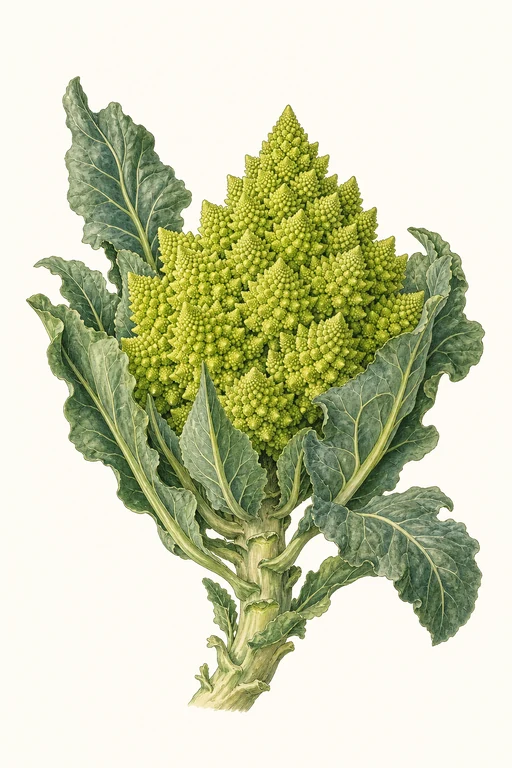
A mesmerizing spiral of light-green florets, Veronica Romanesco Cauliflower unfurls with a cool, nutty sweetness and a gently crisp bite that feels almost jewel-like.
The curds form tight, architectural rosettes—tender yet substantial—holding their texture beautifully for roasting, steaming, and gratin-style dishes, as well as fresh florets for bright, simple plates. Grow Veronica for a garden showpiece that delivers a distinctive, mild flavor and a captivating, crunchy-silky mouthfeel at harvest.
Light: Full SunMaturity: 85 DaysHabit: Rosette
Planting schedules and alerts are optimized for Columbus (Zone 6b).
Crop Dates
| Milestone | Date |
|---|---|
| Start Indoors | Mar 28th |
| Last Frost | Apr 25th |
| Transplant / Sow Outdoors | Apr 18th |
| Harvest Begins | Jul 12th |
| Harvest Ends | Oct 16th |
Crop Details
| Trait | Value |
|---|---|
| Days to Maturity | 85 |
| Sun Requirements | Full Sun |
| Growth Habit | Rosette |
| Support Needed | None |
| Planting Depth | Normal |
| Germination Temp (°F) | 75 |
| Min Soil Temp (°F) | 45 |
| Min Night Temp (°F) | 32 |
| Harden Off (days) | 6 |
Culinary Notes

Chef's Note
Veronica romanesco gives you a cool, nutty sweetness with a restrained brassica bite—so it tastes sweet even before it browns. Its tight, spiral curds hold their shape under heat, making it ideal for roasting or a gratin where you want crunch-to-tender without turning it to mush.

Best Uses
- roasting on high heat until the edges go lightly browned while the spirals stay firm
- steaming and tossing with lemon and olive oil for a clean, nutty plate
- gratin-style baking where the florets stay structured under a bubbling cheese crust
- quick pickling in vinegar-spice for snappy crunch

Flavor Profile

Frequently Asked Questions
What pest or disease is most likely on Brassica oleracea var. botrytis (cauliflower), and how can I manage it at home?
How often should I water cauliflower (Brassica oleracea var. botrytis) during the main growing phase?
How can I tell when my cauliflower (Brassica oleracea var. botrytis) is ready to harvest?
Sowing Tips

Transplant Conditions
Wait until soil reaches 45°F and nights stay above 32°F before moving outdoors. Harden off for 6 days first.
Expert Note

For best results with heat-tolerant veronica, transplant/plant after frost when nights are reliably mild, and keep soil evenly moist until established.