
Violetta di Firenze
Sink your spoon into the velvety, inky-purple allure of Violetta di Firenze—an Italian eggplant prized for its tender flesh and refined, subtly sweet flavor.
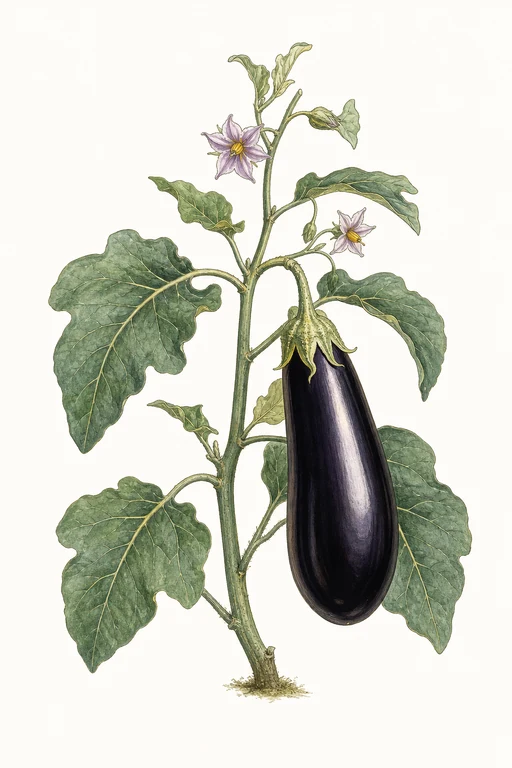
At maturity, the fruit forms a graceful, medium-long silhouette with a glossy skin that turns a deep violet-black, offering a silky bite that shines in classic Italian preparations. Grow it for roasting and grilling, or for rich sauces and savory spreads where its delicate texture becomes the star.
Light: Full SunMaturity: 75 DaysHabit: Indeterminate
Planting schedules and alerts are optimized for Columbus (Zone 6b).
Crop Dates
| Milestone | Date |
|---|---|
| Start Indoors | Mar 7th |
| Last Frost | Apr 25th |
| Transplant / Sow Outdoors | Jun 20th |
| Harvest Begins | Sep 3rd |
| Harvest Ends | Oct 16th |
Crop Details
| Trait | Value |
|---|---|
| Days to Maturity | 75 |
| Sun Requirements | Full Sun |
| Growth Habit | Indeterminate |
| Support Needed | Stake |
| Planting Depth | Normal |
| Germination Temp (°F) | 80 |
| Min Soil Temp (°F) | 60 |
| Min Night Temp (°F) | 50 |
| Harden Off (days) | 10 |
Culinary Notes

Chef's Note
Violetta di Firenze cooks up tender and silky rather than rubbery—perfect when you want that custard-like interior and glossy, unctuous texture. Its mellow sweetness loves big, simple partners like garlic, olive oil, and lemon, so it doesn’t need heavy rescue sauces.

Best Uses
- charred slices or planks on the grill where the flesh turns custardy
- roasted for tahini-garlic spreads that cling thickly to bread
- slow-simmered ragù/sugo where it dissolves into a glossy sauce
- baked or pan-fried “steak” cutlets that hold shape without going spongy

Flavor Profile

Frequently Asked Questions
What pests or diseases most often affect Solanum melongena (eggplant), and what should I do?
How often should I water Solanum melongena during the main growing phase, and what soil moisture should I maintain?
How can I tell when Violetta di Firenze/eggplant (Solanum melongena) is ready to harvest?
Sowing Tips

Transplant Conditions
Wait until soil reaches 60°F and nights stay above 50°F before moving outdoors. Harden off for 10 days first.
Expert Note

Transplant only when soil is consistently warm (about 60°F+) and keep seedlings evenly moist to prevent blossom drop.