
Vorbote 3
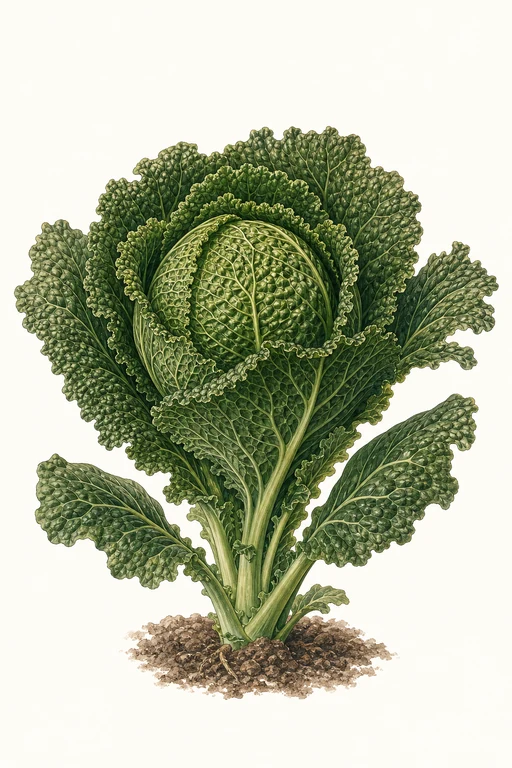
Crisp, deeply savoyed leaves unfurl in a cool, sea-glossed green—Vorbote 3 is a delight to grow and behold, with a tender bite and a pleasantly sweet, mild character.
The tight, rounded head forms early (about 60 days), offering a resilient texture that holds its charm whether you enjoy it fresh or turn it into silky, flavorful preparations. Savoy cabbage lovers will appreciate the pronounced ruffling and gentle, leafy sweetness that makes Vorbote 3 a standout in the garden and the bowl.
Light: Full SunMaturity: 60 DaysHabit: Rosette
Crop Dates : 7a
| Milestone | Date |
|---|---|
| Start Indoors | Mar 23rd |
| Last Frost | Apr 20th |
| Transplant / Sow Outdoors | Apr 20th |
| Harvest Begins | Jun 19th |
| Harvest Ends | Oct 20th |
Crop Details
| Trait | Value |
|---|---|
| Days to Maturity | 60 |
| Sun Requirements | Full Sun |
| Growth Habit | Rosette |
| Support Needed | None |
| Planting Depth | Normal |
| Germination Temp (°F) | 45 |
| Min Soil Temp (°F) | 45 |
| Min Night Temp (°F) | 32 |
| Harden Off (days) | 6 |
Culinary Notes

Chef's Note
Vorbote 3’s deeply savoyed, ruffled leaves give you a tender-crisp texture that still turns luxurious when cooked—so it works both raw and in a quick sauté without going wet. Look for it with butter, mustard, and a hit of vinegar so the cabbage stays bright instead of flat.

Best Uses
- quick-shaved slaws that stay crisp under dressing
- stir-fry or sauté where the ruffles cling to glossy sauces
- braises that melt into spoon-tender leaves
- fermentation-friendly cabbage for fast-culture kraut

Flavor Profile

Frequently Asked Questions
What pest or disease most commonly affects Brassica oleracea var. capitata (head cabbage), and how can I control it at home?
How often should I water Brassica oleracea var. capitata during the main head-forming phase, and what soil moisture target should I aim for?
How can I tell when Brassica oleracea var. capitata is ready to harvest after ~60 days?
Sowing Tips

Transplant Conditions
Wait until soil reaches 45°F and nights stay above 32°F before moving outdoors. Harden off for 6 days first.
Expert Note

For early Savoy heads, keep seedlings cool and don’t over-fertilize—consistent moisture and steady growth help prevent loose heads.