
White Acre
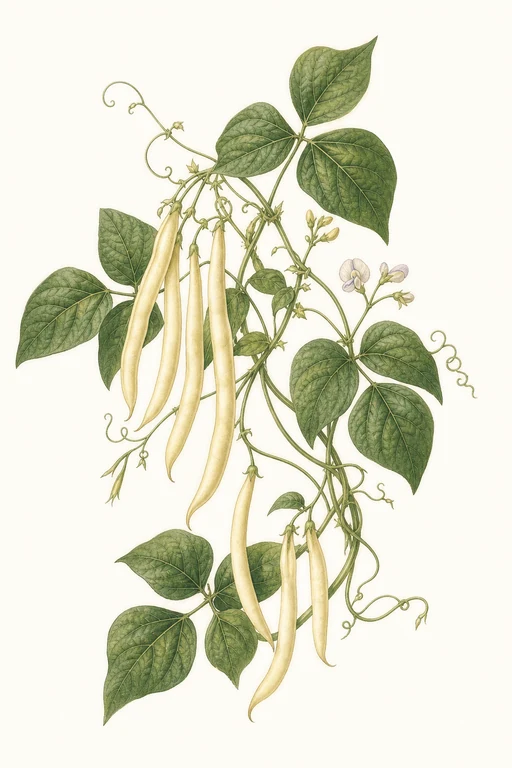
Crisp, milky-sweet pods of White Acre arrive with a clean, luminous look—tender enough for quick, satisfying bites and rich enough to reward longer simmering.
The peas inside develop a delicate, creamy texture and a mellow, nutty flavor that shines in fresh salads, warm skillet dishes, and smooth purees. Grow for a steady, garden-friendly harvest around 60 days, when the plants are at their most generous and the pods feel satisfyingly firm yet yielding.
Light: Full SunMaturity: 60 DaysHabit: Bush
Planting schedules and alerts are optimized for Columbus (Zone 6b).
Crop Dates
| Milestone | Date |
|---|---|
| Start Indoors | Direct Sow |
| Last Frost | Apr 25th |
| Transplant / Sow Outdoors | Apr 25th |
| Harvest Begins | Jun 24th |
| Harvest Ends | Oct 16th |
Crop Details
| Trait | Value |
|---|---|
| Days to Maturity | 60 |
| Sun Requirements | Full Sun |
| Growth Habit | Bush |
| Support Needed | None |
| Planting Depth | Normal |
| Germination Temp (°F) | 75 |
| Min Soil Temp (°F) | 60 |
| Min Night Temp (°F) | 55 |
| Harden Off (days) | Not Required |
Culinary Notes

Chef's Note
White Acre cowpea pods hit that rare sweet spot: crisp pod exterior with a creamy, mellow pea center, so they taste good straight away and don’t require aggressive seasoning. Use them for fast heat or a gentle simmer—overcooking dulls the luminous sweetness that makes this variety worth shopping for.

Best Uses
- quick steam-and-butter tosses where the pods stay bright and snappy
- warm skillet sauté with aromatics, finishing with a glossy reduction
- pureeing into a silky, pale-green mash or spread
- tossing into salads where the peas hold vinaigrette without turning mushy

Flavor Profile

Frequently Asked Questions
What pest or disease is most common on Vigna unguiculata (cowpeas) and how can I manage it?
How often should I water Vigna unguiculata during the main growing phase?
How do I know when Vigna unguiculata is ready to harvest?
Sowing Tips

Transplant Conditions
Wait until soil reaches 60°F and nights stay above 55°F before moving outdoors.
Expert Note

For best tenderness and flavor in cowpea, sow when soils are reliably warm and keep moisture steady until pods size up.