
Wild Arugula (Sylvetta)
Wild Arugula (Sylvetta) arrives with a peppery, wild-spring bite and a bright, herbal aroma that feels almost electric.
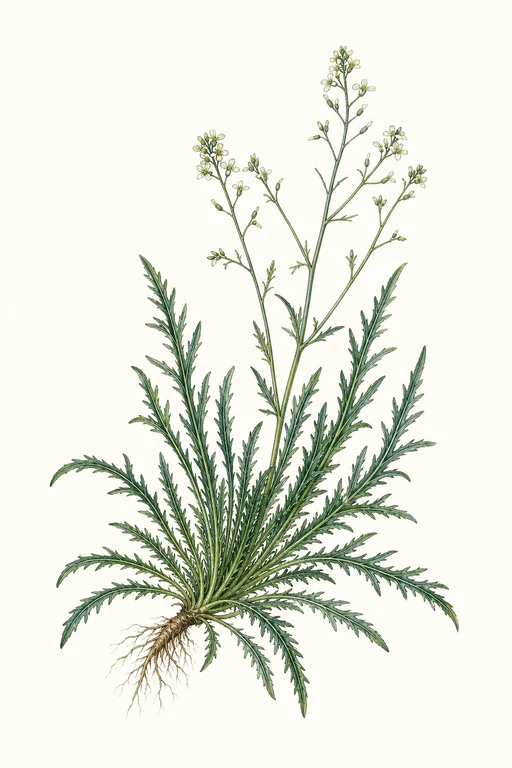
Its narrow, finely serrated leaves form tender rosettes—crisp yet delicate—ideal for fresh, vibrant salads and quick tosses where its distinctive zing truly shines. Grow it for a steady harvest over weeks, enjoying its bold flavor and lively texture straight from the garden.
Light: Full SunMaturity: 45 DaysHabit: Rosette
Planting schedules and alerts are optimized for Columbus (Zone 6b).
Crop Dates
| Milestone | Date |
|---|---|
| Start Indoors | Direct Sow |
| Last Frost | Apr 25th |
| Transplant / Sow Outdoors | Apr 25th |
| Harvest Begins | Jun 9th |
| Harvest Ends | Oct 16th |
Crop Details
| Trait | Value |
|---|---|
| Days to Maturity | 45 |
| Sun Requirements | Full Sun |
| Growth Habit | Rosette |
| Support Needed | None |
| Planting Depth | Normal |
| Germination Temp (°F) | 55 |
| Min Soil Temp (°F) | 40 |
| Min Night Temp (°F) | 28 |
| Harden Off (days) | Not Required |
Culinary Notes

Chef's Note
Wild arugula (Sylvetta) brings a sharper, wilder pepper note than garden arugula, with tender-leaf crispness that rewards quick dressing—not soaking. Use it as a finishing green or in last-minute salads where its bitter snap stays vivid against salty fat like Parmesan or anchovy.

Best Uses
- quick salad tosses with a sharp vinaigrette (dress right before eating)
- finishing green over warm beans or grilled bread—wilts just at the edges
- pairing in citrus-forward ceviche-style seafood salads
- shaved into sandwiches where the bite cuts through fat

Flavor Profile

Frequently Asked Questions
What pest or disease is most likely on Diplotaxis tenuifolia (wild arugula), and how can I stop it?
How often should I water Diplotaxis tenuifolia during its main growing phase?
How do I tell when Diplotaxis tenuifolia is ready to harvest?
Sowing Tips

Transplant Conditions
Wait until soil reaches 40°F and nights stay above 28°F before moving outdoors.
Expert Note

For Sylvetta perennial arugula, direct-sow early for best flavor, then keep harvesting by cutting outer leaves to encourage regrowth.