
Wild Zaatar
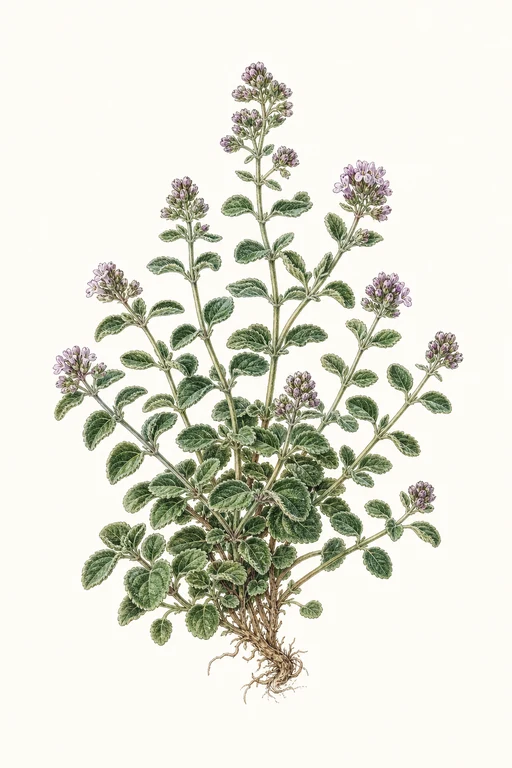
Wild Zaatar unfurls with a vivid, meadow-bright fragrance—an herbal perfume that feels both wild and refined.
Its leaves are small to medium and richly textured, with a softly fuzzy, aromatic surface that releases deeply when gently bruised, making it a standout for bold, everyday flavoring. Grow Wild Zaatar for its signature zesty-oregano character in dried herb blends, sprinkled over roasted vegetables, stirred into sauces, or folded into pickling brines for a bright, savory lift.
Light: Full SunMaturity: 60 DaysHabit: Upright
Location not set yet
Location not set yet
Enter your ZIP for local crop dates
Wild Zaatar Planting Dates by USDA Zone
Estimated US hardiness-zone windows for sow, transplant, and harvest. Enter a US ZIP above for exact local dates, or open a zone below.
| Zone | Start Indoors | Sow / Transplant | Harvest |
|---|---|---|---|
| Zone 1a | Protected Environment Only | ||
| Zone 1b | May 11th | Jul 27th | Sep 25th – Aug 1st |
| Zone 2a | May 4th | Jul 20th | Sep 18th – Aug 29th |
| Zone 2b | Apr 24th | Jul 10th | Sep 8th – Aug 25th |
| Zone 3a | Apr 24th | Jul 10th | Sep 8th – Sep 1st |
| Zone 3b | Apr 28th | Jul 14th | Sep 12th – Sep 21st |
| Zone 4a | Apr 24th | Jul 10th | Sep 8th – Sep 24th |
| Zone 4b | Apr 22nd | Jul 8th | Sep 6th – Sep 27th |
| Zone 5a | Apr 17th | Jul 3rd | Sep 1st – Sep 30th |
| Zone 5b | Apr 13th | Jun 29th | Aug 28th – Oct 5th |
| Zone 6a | Apr 10th | Jun 26th | Aug 25th – Oct 10th |
| Zone 6b | Apr 4th | Jun 20th | Aug 19th – Oct 16th |
| Zone 7a | Mar 30th | Jun 15th | Aug 14th – Oct 20th |
| Zone 7b | Mar 20th | Jun 5th | Aug 4th – Oct 28th |
| Zone 8a | Mar 11th | May 27th | Jul 26th – Nov 5th |
| Zone 8b | Mar 2nd | May 18th | Jul 17th – Nov 12th |
| Zone 9a | Feb 13th | May 1st | Jun 30th – Nov 26th |
| Zone 9b | Jan 19th | Apr 6th | Jun 5th – Dec 9th |
| Zone 10a | — | Oct 1st | Nov 30th – Feb 28th |
| Zone 10b | — | Oct 1st | Nov 30th – Feb 28th |
| Zone 11a | — | Oct 1st | Nov 30th – Feb 28th |
| Zone 11b | — | Oct 1st | Nov 30th – Feb 28th |
| Zone 12a | — | Oct 1st | Nov 30th – Feb 28th |
| Zone 12b | — | Oct 1st | Nov 30th – Feb 28th |
| Zone 13a | — | Oct 1st | Nov 30th – Feb 28th |
| Zone 13b | — | Oct 1st | Nov 30th – Feb 28th |
Crop Details
| Trait | Value |
|---|---|
| Days to Maturity | 60 |
| Sun Requirements | Full Sun |
| Growth Habit | Upright |
| Support Needed | None |
| Planting Depth | Normal |
| Germination Temp (°F) | 70 |
| Min Soil Temp (°F) | 60 |
| Min Night Temp (°F) | 40 |
| Harden Off (days) | 7 |
Culinary Notes

Chef's Note
Wild za’atar has that quintessential oregano snap with extra fragrant lift—bruise it and it goes from “green” to punchy fast. It holds up in heat and drying, so it’s made for the kind of sprinkling that actually changes the flavor of a dish, not just the look of it.

Best Uses
- bruised and stirred into warm olive oil then drizzled over roasted vegetables
- drying for high-impact za’atar-style blends
- quick stir into yogurt or labneh with lemon and garlic
- folded into pickling brines for a savory, peppery lift

Flavor Profile

Frequently Asked Questions
What pest or disease most commonly affects Origanum syriacum (wild zaatar), and how can I prevent it?
How often should I water Origanum syriacum during active growth?
How do I know when wild zaatar (Origanum syriacum) is ready to harvest?
Sowing Tips

Transplant Conditions
Wait until soil reaches 60°F and nights stay above 40°F before moving outdoors. Harden off for 7 days first.
Expert Note

Give oregano lots of sun and fast-draining soil, and avoid keeping it consistently wet to prevent root problems.