
Zipper Cream
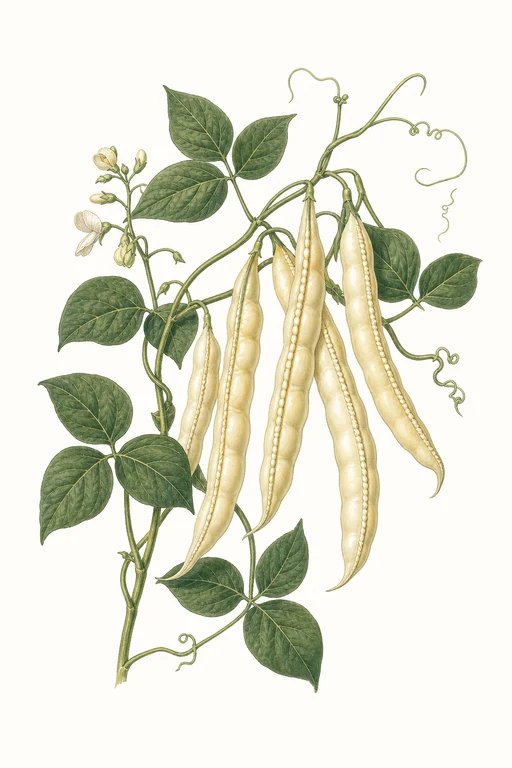
Velvety, pale-cream pods unfurl in a tidy “zipper” line, revealing beans that taste sweet and buttery with a tender, creamy bite.
Zipper Cream’s shelling beans cook up smooth and comforting, with a gentle richness that shines in hearty pots and silky purées. Grow it for a reliable 60-day rhythm and a harvest that feels both elegant and abundant—ideal for gardeners who want a refined legume with a soft, satisfying texture.
Light: Full SunMaturity: 60 DaysHabit: Bush
Planting schedules and alerts are optimized for Columbus (Zone 6b).
Crop Dates
| Milestone | Date |
|---|---|
| Start Indoors | Direct Sow |
| Last Frost | Apr 25th |
| Transplant / Sow Outdoors | Apr 25th |
| Harvest Begins | Jun 24th |
| Harvest Ends | Oct 16th |
Crop Details
| Trait | Value |
|---|---|
| Days to Maturity | 60 |
| Sun Requirements | Full Sun |
| Growth Habit | Bush |
| Support Needed | Trellis |
| Planting Depth | Normal |
| Germination Temp (°F) | 75 |
| Min Soil Temp (°F) | 60 |
| Min Night Temp (°F) | 55 |
| Harden Off (days) | Not Required |
Culinary Notes

Chef's Note
Zipper Cream leans into a smooth, creamy mouthfeel—cook it until just tender, then let it go rich with olive oil, garlic, and a squeeze of lemon rather than chasing heavy spices. It’s the kind of cowpea that turns a humble pot into something spoon-luxurious and cohesive.

Best Uses
- silky purées and mash-thick sides
- buttery braises where the beans stay soft but not grainy
- hearty soups and potage-style cooks (finish with a little fat for gloss)
- quick sautéed shelling beans for a comforting, spoonable side

Flavor Profile

Frequently Asked Questions
What pest or disease commonly affects cowpeas (Vigna unguiculata), and how can I manage it in a home garden?
How often should I water cowpeas during the main growing phase (after germination)?
How do I tell when Vigna unguiculata (‘California Blackeye’ type cowpeas/zipper cream) is ready to harvest?
Sowing Tips

Transplant Conditions
Wait until soil reaches 60°F and nights stay above 55°F before moving outdoors.
Expert Note

For the creamiest, easiest shelling, sow in warm soil and keep moisture even until pods fill, then let pods dry on the plant before shelling.