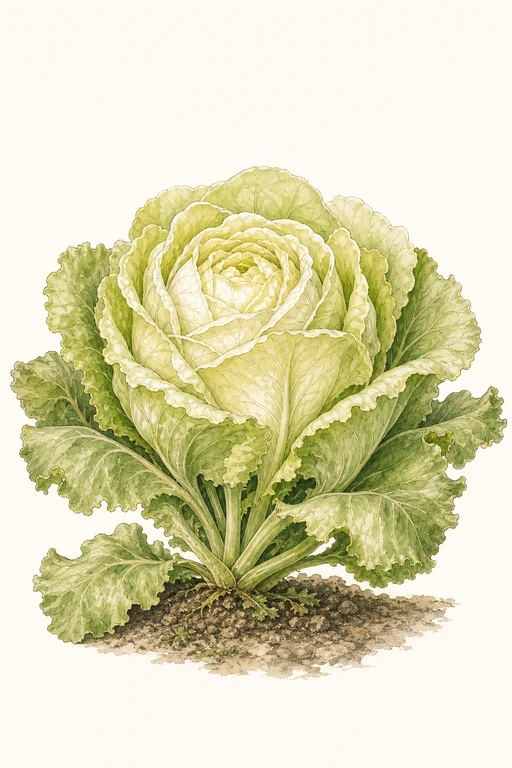
White Boston
55d to harvest
Crisp at first touch, White Boston forms a lush, pale-green butterhead that feels velvety and cool against the palate—its tender leaves fold into a softly layered rosette. Mild, sweet flavor with a buttery texture makes it a standout for fresh salads and elegant sandwich-style gatherings, while its gentle leaves also shine in light, quick tosses and refreshing pickled accents. With about 55 days to maturity, it’s a satisfying cool-season choice for gardeners who love a classic, garden-fresh head that stays pleasantly tender.
Crop Dates
Growing note: In frost-free Zone 11a, grow this cool-season crop during the cooler dry season (October–February).
| Milestone | Date |
|---|---|
| Start Indoors | — |
| Climate | Frost-Free Climate |
| Transplant / Sow Outdoors | Oct 1st |
| Harvest Begins | Nov 25th |
| Harvest Ends | Feb 28th |
Crop Details
| Trait | Value |
|---|---|
| Days to Maturity | 55 |
| Sun Requirements | Part Sun |
| Growth Habit | Rosette |
| Support Needed | None |
| Planting Depth | Surface |
| Germination Temp (°F) | 40 |
| Min Soil Temp (°F) | 40 |
| Min Night Temp (°F) | 32 |
| Harden Off (days) | 5 |
Recommended Companions
Frequently Asked Questions
What pest or disease most often affects Lactuca sativa (White Boston lettuce), and how do I control it?
The most common issue is lettuce downy mildew (often shows as yellow patches on upper leaves with fuzzy gray-violet growth on the undersides). Improve airflow and avoid wetting the leaves, then remove and discard badly infected plants; you can also treat early by spraying a labeled fungicide that targets downy mildew for edible greens. If slugs show up, use an evening slug check and hand-remove or use a bait product labeled for use around vegetables to protect tender heads.
How frequently should I water White Boston lettuce during peak growth, and what soil moisture level should I maintain?
During the main head-forming phase, keep soil consistently evenly moist—aim for the top 1 inch to stay damp, not waterlogged. Water about 2–3 times per week depending on heat and your soil, and increase frequency during hot spells to prevent bitter, loose heads from forming. Mulch lightly after seedlings establish to reduce surface drying, which helps prevent stress-induced bolting.