SproutSmart
SproutSmart Intelligent Garden Sowing

Elephant Garlic

Garlic
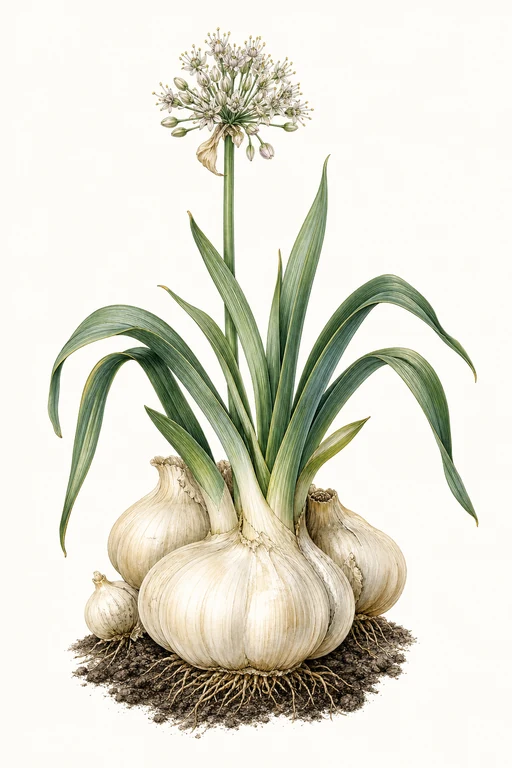
Botanical illustration of Elephant Garlic
🌱 120d to harvest Bulbing

Unmistakably bold and aromatic, Elephant Garlic forms oversized, ivory bulbs with a mellow, sweet-garlic character and a silky, b…

Planting Schedule

Add Elephant Garlic to your garden to build a schedule and get reminders.

Crop Dates

MilestoneDate
Start IndoorsDirect Sow
Last FrostJan 1st
Transplant / Sow OutdoorsJan 1st
Harvest BeginsMay 1st
Harvest EndsDec 31st

Crop Details

TraitValue
Days to Maturity120
Sun RequirementsFull SunFull sun
Growth HabitBulbing
Support NeededNone
Planting DepthNormal
Germination Temp (°F)60
Min Soil Temp (°F)45
Min Night Temp (°F)28
Harden Off (days)Not Required

Frequently Asked Questions


What’s a common disease problem for elephant garlic (Allium ampeloprasum), and how do I manage it?
A frequent issue is basal rot (often from Fusarium) and other allium rots, which show up as a mushy, brown base and yellowing leaves. Plant in well-drained soil, avoid watering the bulb area, and remove any plants that develop a soft base so it doesn’t spread in the bed. If you’ve had rot before, rotate out of Allium crops for several years and start with clean, firm cloves.
During the main growing phase, how often should I water elephant garlic and what soil moisture should I keep?
After shoots emerge and while bulbs are enlarging, keep the soil evenly moist but never waterlogged—about 1 inch (2.5 cm) of water per week depending on your rainfall. Let the top 1–2 inches (2.5–5 cm) of soil dry slightly between waterings, and then water deeply to reach the root zone. Stop watering in late season as leaves yellow so the bulbs can cure instead of staying wet in the soil.
How can I tell when elephant garlic is ready to harvest (Allium ampeloprasum)?
Harvest when the lower leaves have browned and the plant is mostly showing 2–4 green leaves, typically around 120 days from planting. Lift a test bulb: the wrapper should feel tight around the clove(s) and the clove skins should be formed enough to peel without turning to paste. For best storage, cure harvested bulbs in a warm, airy spot until the outer skins are dry and papery.
Botanical illustration of Elephant Garlic

Unmistakably bold and aromatic, Elephant Garlic forms oversized, ivory bulbs with a mellow, sweet-garlic character and a silky, buttery bite. Each clove is larger than standard garlic, with a tender, creamy texture that roasts beautifully for a deep, fragrant finish—ideal for spreading, sauces, and savory preserves. Grow for the pleasure of harvesting substantial bulbs with a gentle, lingering perfume that elevates every home garden table.

Sowing Tips

Transplant Conditions

Wait until soil reaches 45°F and nights stay above 28°F before moving outdoors.

Expert Note

Plant elephant garlic cloves in fall (or early spring where winters are mild) for the biggest bulbs; keep soil evenly moist during leaf growth, then taper watering before harvest.