SproutSmart
SproutSmart Intelligent Garden Sowing

Vierling Dill

Dill
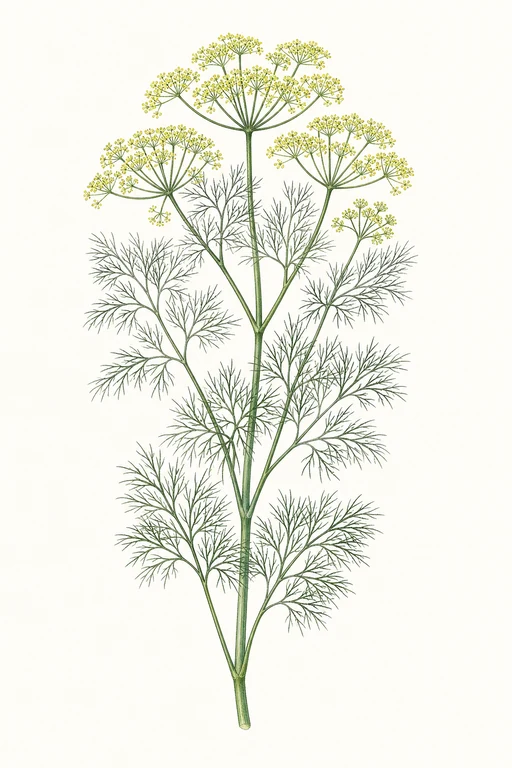
Botanical illustration of Vierling Dill
🌱 40d to harvest Upright

Fragrant as a summer breeze, Vierling Dill fills the garden with feathery, fine-textured greens and a bright, unmistakable aroma.…

Planting Schedule

Add Vierling Dill to your garden to build a schedule and get reminders.

Crop Dates

MilestoneDate
Start IndoorsDirect Sow
Last FrostJun 15th
Transplant / Sow OutdoorsJun 15th
Harvest BeginsJul 25th
Harvest EndsJul 15th

Crop Details

TraitValue
Days to Maturity40
Sun RequirementsFull SunFull sun
Growth HabitUpright
Support NeededNone
Planting DepthSurface
Germination Temp (°F)70
Min Soil Temp (°F)50
Min Night Temp (°F)40
Harden Off (days)Not Required

Frequently Asked Questions


What pest or disease is most likely on Anethum graveolens (dill), and how do I fix it?
Dill commonly gets powdery mildew (white, dusty growth on leaves), especially in warm weather with poor airflow. Remove the most affected leaves, space plants so foliage dries quickly, and water at the base early in the day. If it’s spreading, use an appropriate fungicide labeled for powdery mildew on edible herbs and repeat according to the label intervals.
How often should I water dill during its main growing phase?
For Anethum graveolens, keep the soil evenly moist but not soggy from emergence through leaf production (about the first 4–5 weeks). Water when the top 1 inch of soil feels dry, then water deeply so moisture reaches the root zone. Avoid letting the bed dry out completely between waterings, because dill can slow leaf growth and become more prone to stress.
How can I tell when my dill is ready to harvest?
Begin leaf harvesting around 40 days: cut feathery stems for fresh dill leaves once plants are well established and growing vigorously. For peak flavor, harvest leaves in the morning and pick before flowers open; once umbels flower, the plant shifts energy to seed and leaf quality declines. Seed harvest is ready when the flower heads turn brown and dry, and seeds feel firm when pressed.
Botanical illustration of Vierling Dill

Fragrant as a summer breeze, Vierling Dill fills the garden with feathery, fine-textured greens and a bright, unmistakable aroma. The foliage is tender and richly flavored, ideal for fresh use and for capturing dill’s signature character in sauces, pickles, and seasoning blends. Grow Vierling Dill for a steady harvest over weeks—its upright, productive habit makes it as rewarding to grow as it is to savor.

Sowing Tips

Transplant Conditions

Wait until soil reaches 50°F and nights stay above 40°F before moving outdoors.

Expert Note

For delayed-bolting dill in warm climates, sow in successive batches and keep plants evenly watered to avoid stress-triggered bolting.