
Aquadulce
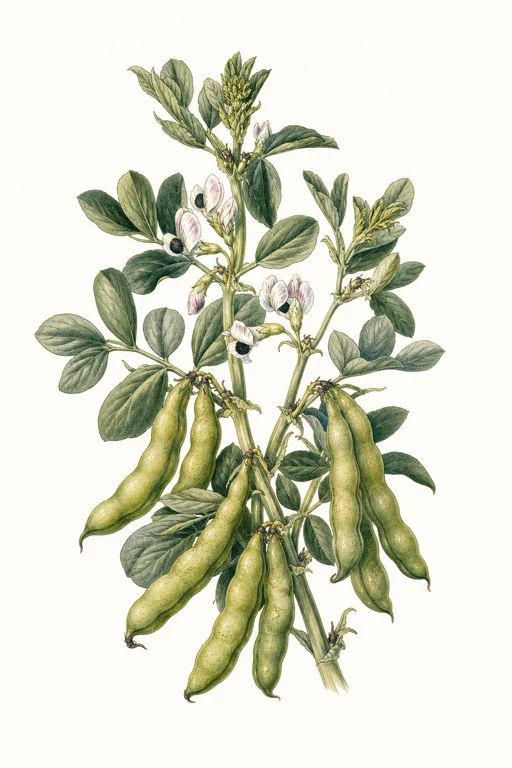
Sweet, buttery fava flavor blooms with a tender, creamy bite—Aquadulce is prized for pods that fill out with confidence and hold their quality through the season.
At maturity, the beans develop a smooth, velvety texture that’s especially inviting for fresh harvest use, as well as for rich, spoonable preparations like purées and hearty spreads. Grow Aquadulce for a dependable 90-day rhythm and a garden-to-plate experience that feels both lush and rewarding.
Light: Full SunMaturity: 90 DaysHabit: Upright
Planting schedules and alerts are optimized for Columbus (Zone 6b).
Crop Dates
| Milestone | Date |
|---|---|
| Start Indoors | Direct Sow |
| Last Frost | Apr 25th |
| Transplant / Sow Outdoors | Apr 25th |
| Harvest Begins | Jul 24th |
| Harvest Ends | Oct 16th |
Crop Details
| Trait | Value |
|---|---|
| Days to Maturity | 90 |
| Sun Requirements | Full Sun |
| Growth Habit | Upright |
| Support Needed | None |
| Planting Depth | Normal |
| Germination Temp (°F) | 55 |
| Min Soil Temp (°F) | 40 |
| Min Night Temp (°F) | 28 |
| Harden Off (days) | Not Required |
Culinary Notes

Chef's Note
Aquadulce favas lean sweet and buttery, with a smooth, plush texture that stays spoon-worthy rather than turning dry or gritty. They’re made for fast heat or blitzed purées—bright acids and grassy herbs (like lemon and mint) keep the flavor lively while the beans go luxuriously creamy.

Best Uses
- pod-and-bean searing quickly, then finishing with salt and lemon
- blitzed fava purée for a spoonable smear under lamb or grilled fish
- thick, hearty mashes and spreads—sturdy enough to stand in a bowl
- warm salads where the beans stay creamy, not grainy

Flavor Profile

Frequently Asked Questions
Why are my Aquadulce fava beans developing yellow, sticky leaves and black sooty mold—how do I control aphids?
How often should I water Aquadulce fava beans during their main growing phase?
When are Aquadulce fava beans ready to harvest?
Sowing Tips

Transplant Conditions
Wait until soil reaches 40°F and nights stay above 28°F before moving outdoors.
Expert Note

Sow fava beans early and keep them evenly moist until germination; once established they’re among the most cold-tolerant garden legumes.